
You step outside with your morning coffee and there they are. A line of ants down the patio paver, a fresh mound on the back lawn, a swarm at the base of the hibiscus.
Garden ants on the Tweed Coast turn from background fauna to outright nuisance fast.
Hot, humid days drive colonies to expand and forage harder.
Worse, the line you see in the garden today is often the same line walking through your kitchen tomorrow.
The good news is that most garden ant problems can be brought under control without nuking the entire backyard.
Below is a practical guide built from a decade of Tweed Heads and Banora Point ant control work.
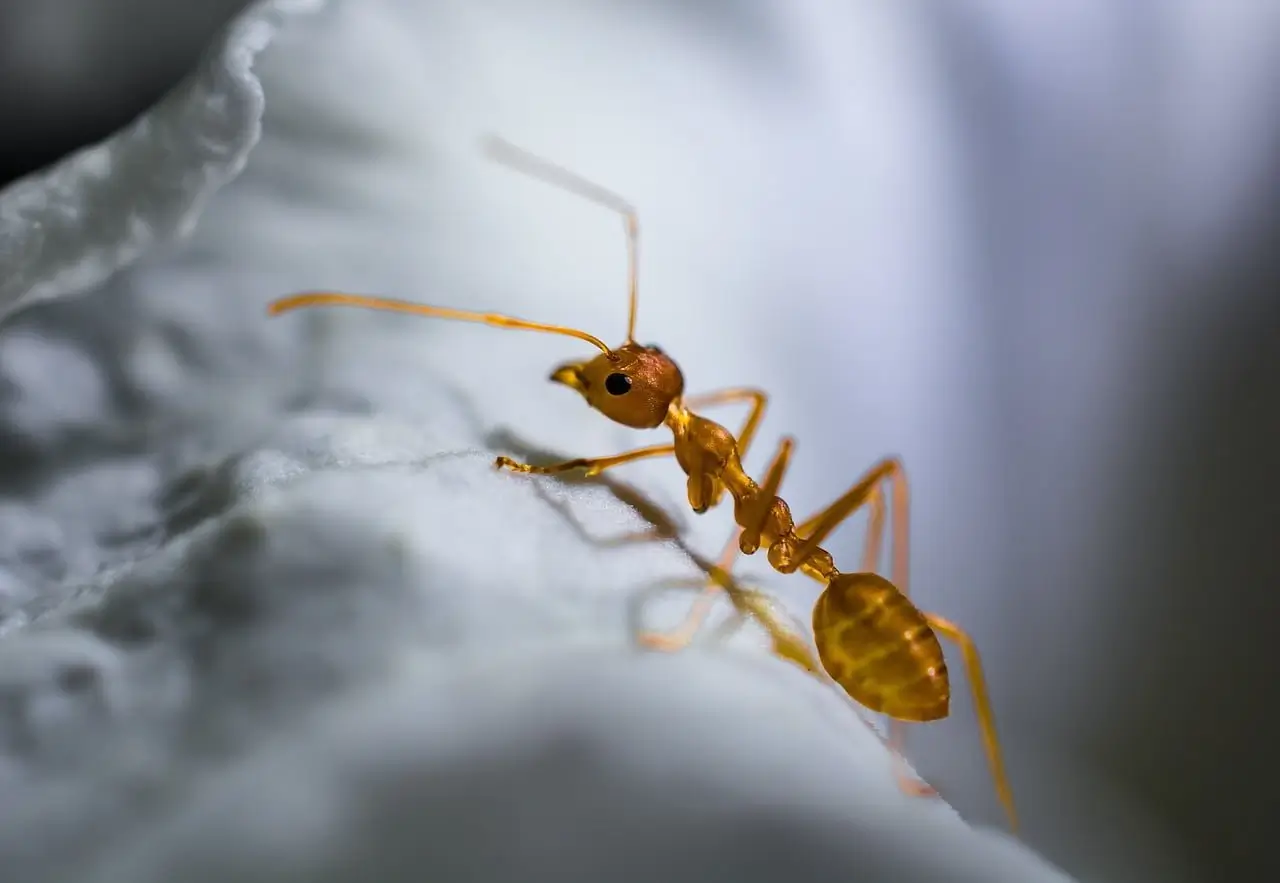
Why Ants Suddenly Take Over Tweed Coast Gardens
Ant activity spikes for three reasons most homeowners do not connect.
The first is weather. After a stretch of warm, wet days the soil softens and food sources multiply. Colonies that sat quietly through cooler months expand quickly, and worker ants are sent further to feed the growing nest. We see this every spring across Banora Point and Terranora as soon as the humidity climbs.
The second is plants under stress. Aphids, scale and mealybugs flourish on stressed plants. In Tweed Coast gardens, that usually means citrus, hibiscus, frangipani and lillypilly. The aphids produce honeydew, which ants harvest. If you are seeing ant trails marching up a single plant, look for the aphids first. The ants are the symptom, not the cause.
The third is the food the household leaves out. Pet food bowls on the back deck, BBQ drips after a Sunday roast, fallen fruit under mango or fig trees, and uncovered green bins all read as a steady food signal to scout ants. They will return with reinforcements within hours.
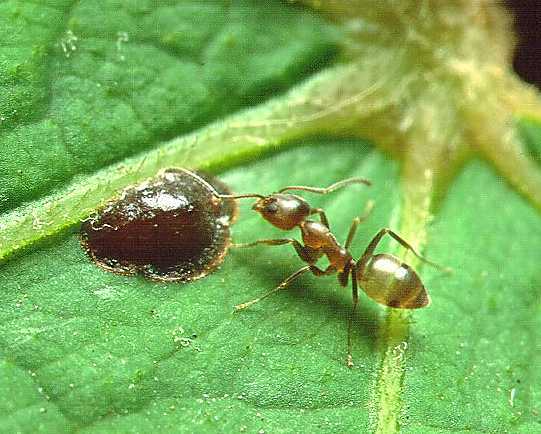
The Good Ants vs Problem Ants Decision Tree
Not every ant in your garden is a problem. Many native Australian ants aerate soil, eat caterpillar eggs and clean up dead insects. Wiping them all out can leave your garden worse off.
Here is the simple rule we use when we walk a property in Tweed Heads.
Leave them alone if: the ants are away from the house, not farming aphids on plants you care about, and not building mounds on the lawn or paving.
Take action if: ants are streaming into the home, farming aphids on fruit trees or ornamentals, building mounds that damage your lawn or pavers, or showing red colouring with a painful sting.
We recommend this approach because broadcast spraying kills the helpful native species and leaves an empty patch that introduced species like Coastal Brown Ants will move into within weeks. We have seen it happen on properties from Bilambil Heights to Casuarina, where one DIY spray turned a small ant trail into a much bigger Coastal Brown problem.
Where Ants Hide in Your Outdoor Areas
When we inspect a Banora Point or Tweed Heads property for ants, the same hiding spots come up again and again.
Under pavers, especially around the edges where the sand has shifted. Inside retaining wall gaps and dry-stack stone. Under pot saucers and along the rims of garden bed edging. In compost bins and under loose mulch. Inside outdoor power point covers. Under the BBQ. In the joins of timber decks. Around irrigation drip points where the soil stays moist.
A ten-minute walk around the property checking these spots usually tells you where the active nests are.
Natural Methods That Actually Work (and What is Myth)
Some natural methods earn their reputation. Others are pest control folklore.
Things that work: Diatomaceous earth (food grade) sprinkled on dry trails and around plant bases damages the ant exoskeleton. White vinegar diluted 1:3 with water disrupts pheromone trails so reinforcements cannot find the food source. Pouring boiling water directly into a small surface nest will kill the ants present, though rarely the queen. Cinnamon, coffee grounds and citrus peel act as short-term repellents at entry points.
Things that mostly do not work: Essential oil sprays smell pleasant for an hour and then fade. Sprinkled bicarb soda is mostly hype. Coffee grounds in the soil do not stop ants from any colony with momentum behind it. Borax bait works in theory but is unreliable in our humid coastal conditions where the bait stays wet.
DIY vs Professional: Which Path Suits Your Situation
Here is how we talk our customers through the decision before any treatment goes ahead.
| Factor | DIY | Professional |
|---|---|---|
| Best for | A few visible trails, one isolated nest, mild surface activity | Multiple mounds, recurring infestation, indoor crossover, fire ant suspicion |
| Typical cost | Supermarket products bought repeatedly | One service fee, often less than several months of repeat DIY spend |
| Time to result | Days to weeks of trial and error | Two-week treatment cycle, scheduled and predictable |
| Lawn safety | Risk of burning grass with vinegar or boiling water | Turf-safe granular products applied to label rates |
| Pet & wildlife safety | Depends on product reading skills | Licensed application with bait stations and species-specific products |
| Species ID | Hard to tell Coastal Brown from Black House | We identify the species on inspection and pick the right active ingredient |
DIY is the right call for low-pressure situations. Professional treatment becomes the better economic choice the moment you are buying your second or third can of supermarket spray for the same problem.
When Chemicals Are Warranted
If a colony is already established, baits beat sprays every time. Sprays kill the ants you can see. Baits get carried back to the queen.
Effective active ingredients used in residential pest control include fipronil and indoxacarb in gel baits, hydramethylnon in granular baits, and bifenthrin or deltamethrin as a perimeter spray. All are approved by the Australian Pesticides and Veterinary Medicines Authority and we cover their pet safety in detail in our pet safety guide.
The two-week rule applies to almost every job. Place the bait, leave it alone, and expect peak kill at around fourteen days as the colony cycles through. We recently completed a recurring Coastal Brown Ant job on a Banora Point property where the owner had been spraying weekly for six months with no result. A single targeted bait treatment cleared it inside three weeks.
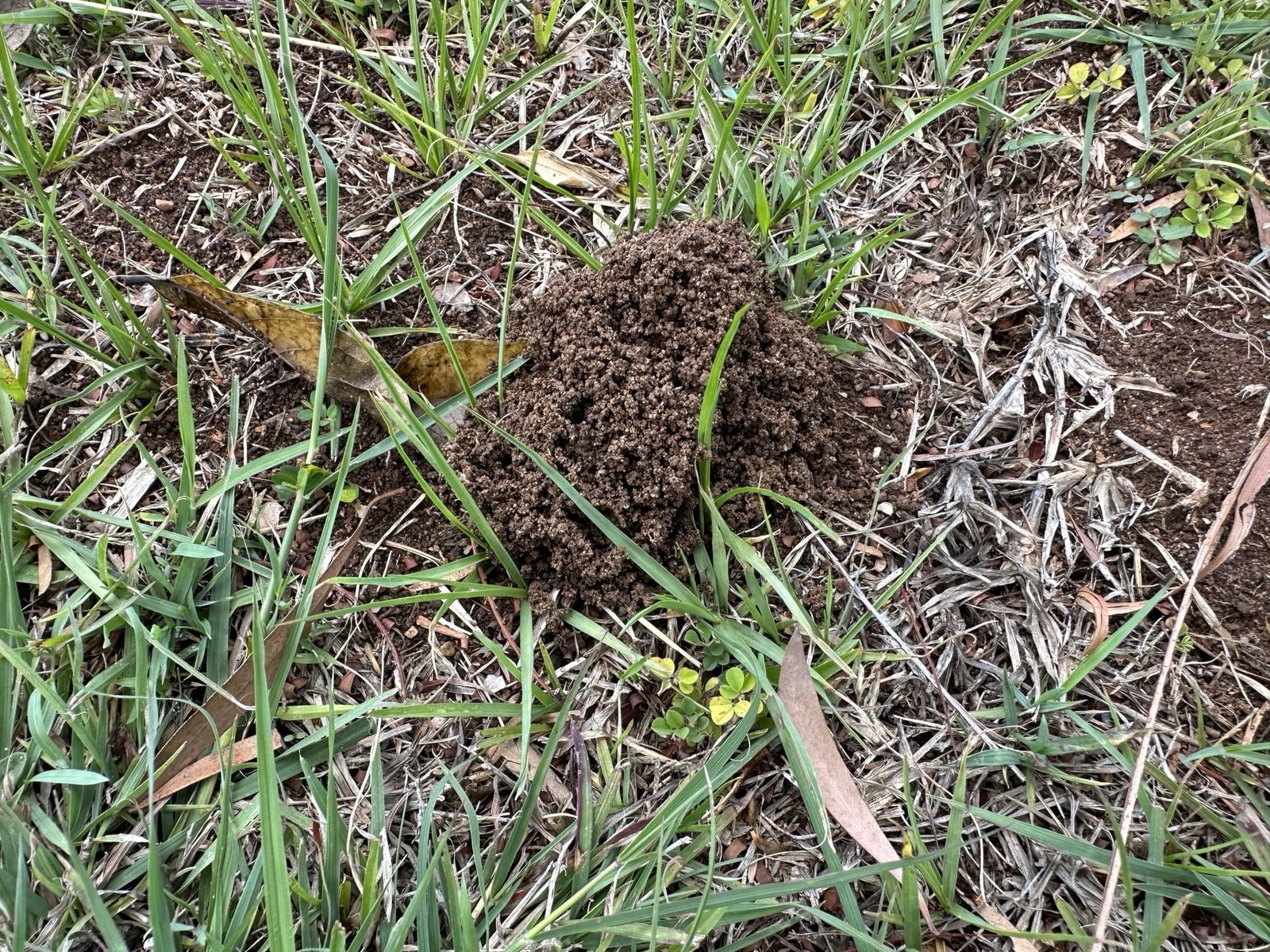
The Fire Ant Warning Every Northern Rivers Gardener Should Know
Red imported fire ants are an active biosecurity emergency in Australia. Tweed Shire sits inside the NSW surveillance zone because the species has crossed the Queensland border.
If you find a small reddish-brown ant with a darker abdomen, building a loose dome-shaped mound with no visible entry hole, do not disturb it.
Report it to the National Fire Ant Eradication Program on 13 22 68, or report online. Yard treatment kits are supplied by the program for properties inside the surveillance zone. We have experienced exactly one suspected fire ant call in Banora Point in the past year, and the right move was the same: stop, photograph from a safe distance, and call the program. This is not a DIY job under any circumstances.
Stop the Cycle: Prevention That Actually Lasts
Prevention is what stops the same problem returning every spring.
Trim back vegetation touching the house, deck and paving by at least 30 cm. Move firewood and timber piles away from the home. Fix any leaking outdoor taps or irrigation drippers. Sweep up fallen fruit twice a week during fruiting season. Wash pet bowls daily and never leave food out overnight. Reseat lifted pavers with fresh sand and a polymeric jointing compound. Check potted plant saucers weekly during summer.
These are the small habits that make ant calls drop off. None require a chemical.
When to Stop DIY-ing and Call a Pro
There is a clear point where DIY stops being efficient. Call a professional when you are seeing multiple active mounds on the lawn, when the same colony returns within a month of treatment, when ants are entering the home from a garden source you cannot locate, or when you suspect fire ants.
DIY vs Professional: What Does It Really Cost?
For a typical Tweed Heads or Banora Point ant problem
Supermarket Sprays & Baits
Targeted Bait Treatment
Indicative ranges for typical residential ant problems. Request an exact quote for your property.
A licensed ant pest control treatment in Banora Point costs less than the cumulative spend on supermarket sprays that never quite finish the job, and it ends the cycle.
Stop Garden Ants Before They Get Indoors
A licensed TSD technician will inspect your Tweed Heads or Banora Point property, identify the species, find the nests, and apply a targeted treatment. Fully licensed and insured.
Frequently Asked Questions
Why are there suddenly so many ants in my garden?
Sudden ant spikes in Tweed Heads and Banora Point gardens come down to three triggers: warm humid weather expanding colonies, an aphid or scale outbreak on stressed plants, or a new household food source like pet bowls or fallen fruit.
Follow one ant trail backwards to find the cause. Plants mean aphids. Pet bowls or bins mean food. Underground mounds mean colony expansion, and that needs bait treatment.
What is the best ant killer for outdoor use in Australia?
Targeted bait, not perimeter spray. Sprays kill what you see but leave the queen alive, so trails return within days. Granular baits with hydramethylnon, or fipronil gels, work because foragers carry the active ingredient back to the nest.
Use granular bait for lawn mounds. Use gel bait drops along paving trails. Save bifenthrin perimeter spray for after the colony is dead. It stops re-entry but does not kill nests.
How do I get rid of ants in the lawn without killing the grass?
Use granular ant bait labelled turf-safe. Apply to dry grass and water in lightly. Foragers carry the active ingredient into the nest without harming the grass.
Avoid white vinegar and boiling water on large areas. Both burn the grass leaves. For mounds, sprinkle bait around (not on) the entrance and wait two weeks. Do not mow during that time. For dozens of mounds, a licensed broadcast treatment costs less than treating each by hand.
Are garden ants harmful?
Most native garden ants are not harmful. They aerate soil, eat caterpillar eggs, and clean up debris. They become a problem only when they farm aphids on your plants or build mounds that damage pavers and lawns.
Three exceptions: bull ants and jack jumpers deliver painful stings that can trigger allergic reactions. Red imported fire ants are a Northern NSW biosecurity emergency. Report them to the National Fire Ant Eradication Program. Do not treat yourself.
Trae
TSD Pest Control is a locally owned pest management business based in Banora Point, serving Tweed Heads and the wider Northern NSW region. Its technicians are licensed and carry out inspections and treatments across homes and businesses — covering termites, ants, cockroaches, spiders, rodents and more — and write these guides to help local property owners manage the pests common to the Tweed Coast.