
Your furry mates mean the world, so worrying about how pest control affects them makes perfect sense.
No one wants to fix a pest problem only to create a new one – cue the stress and second-guessing.
Pet bowls on the floor, curious noses in every corner – our homes blur the line between treatment zone and play zone.
Balancing pest removal with pet safety takes more than guesswork, especially with kids or older pets around too.
As Tweed Coast pest specialists, we know what matters most – your family’s safety, including every paw and whisker.
We use pet-safe, eco-friendly methods that keep your home protected and your pets happy and healthy.

Understanding Pest Control Safety for Pets
Treating pests shouldn’t mean risking your pet’s health. At TSD Pest Control, we make that a top priority. With curious pets exploring every nook, safety and trust in professional pest control services become more than a checkbox. It’s a promise we keep by using methods that respect your pet’s wellbeing while removing unwanted invaders from your home. From Stotts Creek to Fingal Head, our clients rely on us for pet-conscious solutions that deliver peace of mind with every visit.
Common Pest Control Methods Around Pets
Knowing what methods professionals use clears up many concerns about safety. Chemical-based pest control is common but demands careful application when pets are around. Trap and bait systems help target pests like rodents without airborne risk, though location matters to avoid curious paws.
Larger treatments like fumigation or tenting require full pet relocation. On the safer end, Integrated Pest Management combines inspections, monitoring, and minimal treatments to create a pet-friendly routine without harmful residues.
Potential Risks to Pets from Pesticides
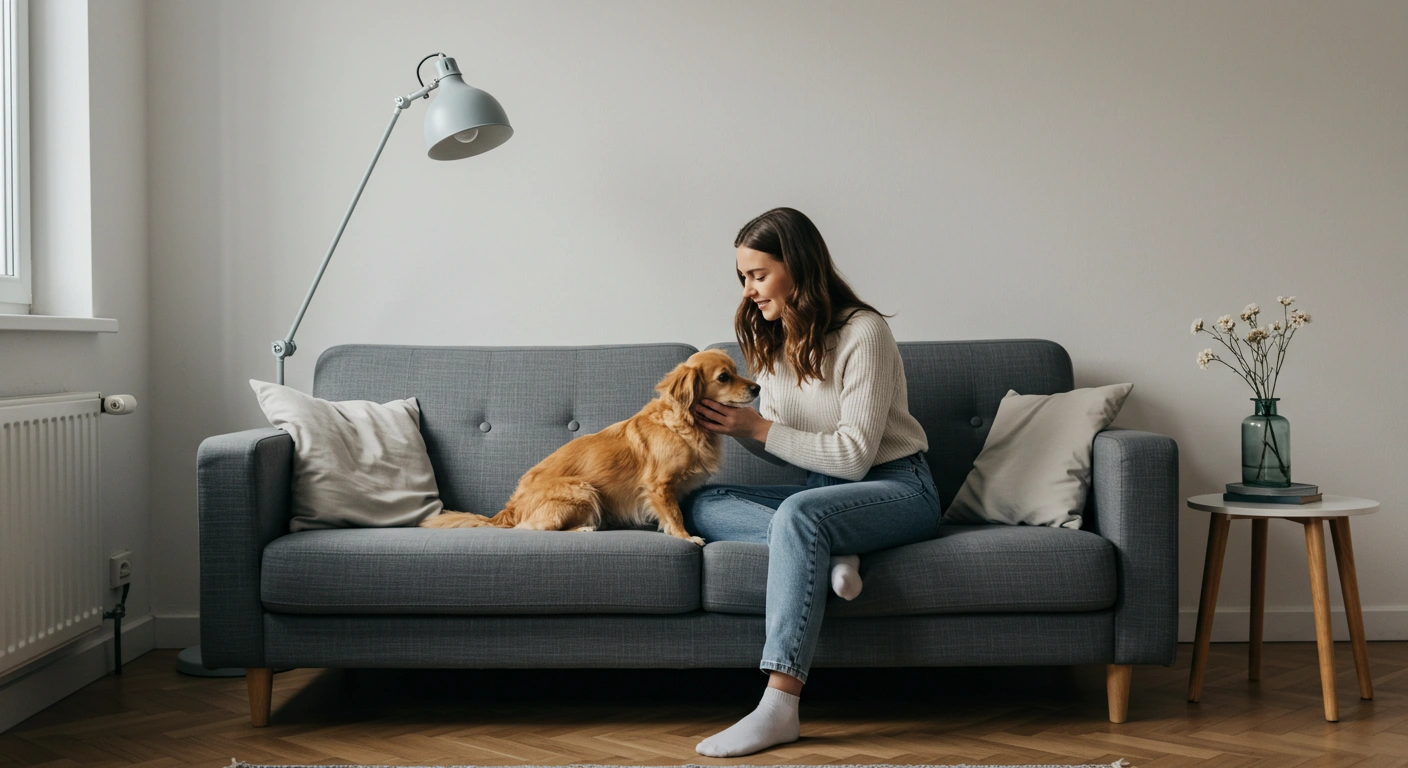
Even a tiny amount of pesticide can affect pets in big ways. Dogs may drool excessively, stagger, or vomit if exposed. Cats, especially sensitive to insecticide toxicity, may hide, twitch or show breathing issues. Birds can develop respiratory distress quickly with strong chemicals in the air.
Rodenticides are a hidden danger, often laced with bait appealing to pets. Swallowed even once, they could cause internal bleeding or seizures. Being aware of these symptoms and risks helps act fast in emergencies.
Pet-Safe Alternatives and Safer Methods
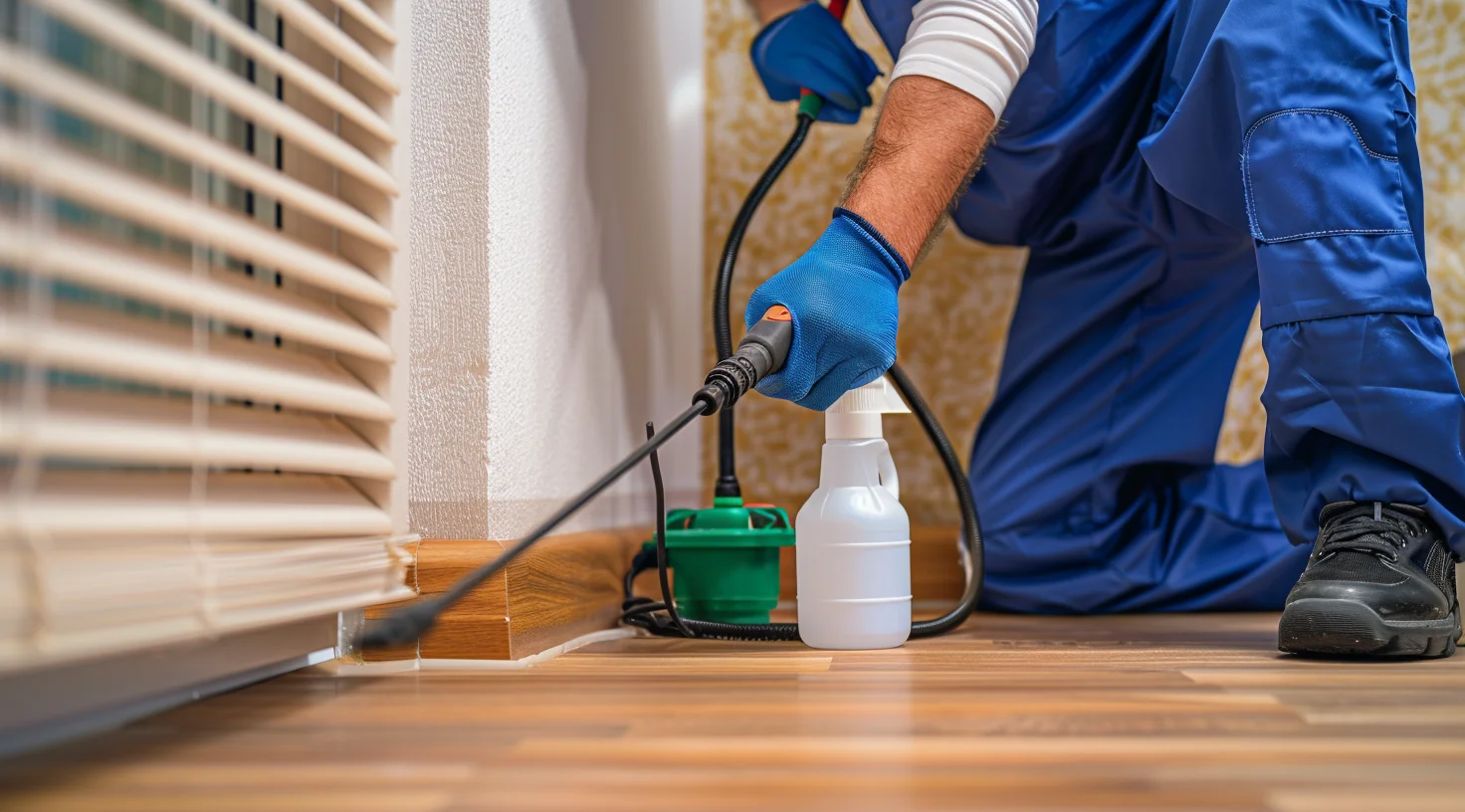
Switching to pet-friendly pest control doesn’t mean sacrificing effectiveness. It means choosing measures that do the job without the worry. From natural treatments to careful ingredient labelling, there’s a safer way to treat homes without endangering pets we love like family.
Pet-Friendly and Non-Toxic Pest Control Options
Plant-based sprays and eco-safe powders now offer options that treat bugs while keeping animals safe. Homemade repellents with vinegar or baking soda work to discourage pests without any toxins. Essential oils like peppermint or lemongrass also act as gentle deterrents – but should be used cautiously around cats.
Choosing organic over synthetic gives control back to homeowners who want better health balance in their space while maintaining pest-free comfort.
Solutions Tailored to Specific Pets
Different animals need different safety plans. Our team often uses dog-safe mosquito control like larvicide-treated water traps or topical repellents approved by vets. For cats, ant control powders and sprays must avoid pyrethroids, which can be toxic even in small doses.
Households with indoor rabbits or birds also receive custom advice. We divide treatment zones or schedule services when pets can be temporarily moved outdoors to keep things stress-free.

Best Practices for Keeping Pets Safe
Clear guidelines before and after pest treatments make a huge difference. Understanding what’s involved helps limit risk and gives pets a smoother, safer experience each time home servicing happens. With a little planning, caution goes a long way.
Precautionary Steps Before and After Treatment
We always recommend isolating pets before any product application – usually for 2 to 4 hours. After treatment, open windows or run fans to boost airflow and reduce lingering residue. Clean floors, bowls and bedding to erase contact risks.
Timely scheduling every 6 to 12 months helps maintain control without needing heavy chemical intervention, which lowers potential exposure day by day.
Clearing the treatment area before our technician arrives makes a real difference to safety and treatment quality. Pick up dog toys, chew bones, food bowls, water bowls, and bedding from any room or outdoor area we will be spraying, and put them somewhere the spray cannot reach. The same goes for litter trays, scratching posts, and pet beds. If your dog or cat has a favourite mat near a kitchen baseboard or sliding door, that is exactly the kind of high-traffic spot we will be treating, so move it for the visit.
Bird cages, fish tanks, and reptile enclosures need particular attention. Move bird cages to a sealed room or off the property entirely for the visit. Cover aquariums and turn off the air pump for the duration of the indoor treatment so airborne droplets cannot land on the water surface. These small steps take only a few minutes but eliminate the most common pet exposure pathways we see in the field.
Emergency Measures and Veterinary Input
If your pet makes contact with a recent spray or eats bait, don’t wait. Look for tremors, vomiting, tiredness or excessive drooling. These can point to pesticide exposure. Immediate rinsing and a call to the vet are vital.
Keep treatment product info handy – it helps the vet decide quickly on steps like IV fluids or charcoal treatment. At TSD, we’re always happy to speak with vets post-treatment if questions arise.
Managing Household and Outdoor Environments
Keeping pest numbers low starts before treatment begins. Making a few habits part of your weekly home care helps keep insects out and your pet’s area clean and worry-free. It’s the silent effort that builds long-term safety.
Routine Monitoring and Maintenance
We always advise checking window corners, cupboards, and baseboards where bugs sneak in. Keep bins tightly closed and food areas clean, especially with pet food left out. In gardens, drain standing water and trim overgrowth that might attract bugs or rodents.
Educational awareness plays a role here – families staying informed about pest cycles manage infestations more easily over time with fewer harsh interventions.
DIY Applications and Long-term Safety
Natural DIY powders like diatomaceous earth offer affordable control without harming pets or the environment. Home-made citrus or garlic sprays both repel insects and reduce risks indoors. Always apply during hours pets are outdoors or crated to prevent licking fresh product.
Planning long-term means minimising entry points and investing in simple barriers like seals around doors and windows. Over time, these efforts stack up, providing steady protection without a recurring chemical load.
FAQs on Pest Control and Pet Safety
Your questions about pest control around pets come up often – and rightly so. Here’s what matters most when keeping safety at the centre of every treatment decision.
Is pest control safe for dogs?
Yes, professional pest control is safe for dogs when carried out by licensed technicians using approved products and proper application methods. The synthetic pyrethroids commonly used in residential treatments (deltamethrin, bifenthrin) and the fipronil-based gel baits used at TSD Pest Control bind tightly to surfaces once dry, which means a curious dog walking through a treated area later faces a very low exposure risk.
The main precaution is keeping your dog out of the treatment zone while sprays are still wet, typically two to four hours, and storing food and water bowls away from sprayed surfaces until they dry. Before each visit, our technicians ask about every dog in the home so we can place baits inside lockable stations, avoid runs and kennels with the spray wand, and adjust product choice for dogs with skin sensitivities or breathing conditions.
How long after pest control is it safe for pets?
For most internal and external sprays, pets can return to treated areas once the surfaces are dry to the touch, which usually takes between two and four hours depending on humidity and ventilation. Wet treatment is the main risk window because liquid product can transfer to paws or fur and then be ingested during grooming. Once dry, the product binds to the surface and stays there working invisibly.
For rodent baiting jobs the timing is different. Bait stations remain active for weeks, so the rule there is permanent placement out of pet reach rather than a wait of a set number of hours. Cats need extra consideration after rodent treatments since they may catch a poisoned rodent outside, so checking the yard for dead rodents in the days following treatment is worth doing. If you are unsure when to let your pet back in, ask your TSD technician at the time of treatment for the specific drying window for the products used at your home.
Can pets be home during pest control?
Pets can stay on the property during most pest control treatments but should be confined away from the rooms or outdoor areas being actively treated. The simplest setup is to keep dogs and cats in one untreated room such as a bedroom, laundry, or garage with their water bowl, bedding, and a closed door for the duration of the visit and the drying period that follows. For external spraying, pets should be brought inside and kept inside until external surfaces are dry.
Birds and fish need extra care. Cover aquariums with a towel and turn off the air pump for the duration of internal spraying, and move bird cages to a sealed room or outside the property entirely, since insecticide vapours can affect birds even at very low concentrations. Reptiles in tanks should also have lids closed and tanks moved if possible. Our TSD technicians will tell you exactly which areas to clear and for how long before any product is applied.
Does pest control harm pets?
Modern professional pest control products carry a low risk to mammals when applied correctly, but they can harm pets in three specific situations: direct ingestion of concentrated product, drinking from a sprayed water source, or eating poisoned rodents. The synthetic pyrethroids that dominate residential pest control today (deltamethrin, bifenthrin, alpha-cypermethrin) have low mammalian toxicity once dry. The gel baits used for ants and cockroaches contain very small amounts of active ingredient (typically fipronil or indoxacarb) sealed inside a sweet matrix that pets find unappealing.
The genuinely dangerous category is rodent bait. Anticoagulant rodenticides are designed to kill mammals and can harm a curious dog that finds a bait block, which is why TSD only places rodent baits in lockable stations. If your pet shows symptoms after a treatment such as drooling, vomiting, twitching, lethargy, or unusual behaviour, contact your vet immediately and tell them which product was used. Ask your TSD technician for the product label or safety data sheet so you have it ready if needed.
Additional Considerations for Beekeepers and Bird Owners
Bees and birds respond differently than cats or dogs. Treatments must avoid outdoor flowering plants during spray times. We often recommend focused early-morning sprays when pollinators are not active. Always relocate pet parrots or aviary birds during indoor treatments to prevent respiratory symptoms.
Choosing the Right Professional Service
Not all services consider pets – a point that weighs heavily for many families. At TSD Pest Control, Trae Davidson personally oversees each job, tailoring methods around your household’s specific pet routines. Our 5-star reviews reflect that trust.
We operate with a commitment to safe, effective care that sidesteps risky chemicals where possible. That’s why coastal families continue choosing us from Bungalora to Cudgen – and beyond.
Evaluating Labels and Instructions on Products
Proper use starts with label reading. Always check for the APVMA approval stamp. Look for words like “pet safe when dry” or “keep animals away for 4 hours.” Don’t guess. Even aerosol sprays vary widely in strength and pet compatibility.
When questions pop up about high-risk ingredients, ask us. We work through label evaluations with homeowners every day to build safer home plans.
What We Use: Products at a Glance
Curious about the actual products coming into your home? Here is a snapshot of the four categories of pest control products that come up most often in residential treatments, what each one does, how long your pets need to stay clear, and the relative risk level. Treat it as a quick reference you can come back to before any visit.
TSD Pest Control product reference card. Tap-and-hold to save the image to your phone for next time.
How Often Should Pest Control Be Done Safely Around Pets?
Twice a year is often enough for low-pressure pest zones. However, homes near bushland or the coast may need quarterly visits. We work around pets’ routines and use milder products in more frequent, small-count visits to keep safety levels high.
In high-risk termite areas like Northern Rivers, CSIRO recommends annual inspections. We provide property checks to help you spot the signs of infestation early – before it affects your pet’s space and wellbeing.
Got questions or ready to schedule a pet-safe consultation with TSD Pest Control? Give us a call at 0429 953 234. Trae and our team are here to keep your home pest-free and your pets safe from harm – all with methods made for Aussie families.
Need Pet-Safe Pest Control in Tweed Heads or Banora Point?
Talk to a TSD Pest Control technician about a treatment plan that protects your home while keeping your dogs, cats, birds, and aquatic pets safe. We walk through your home with you, ask about every pet on the property, and choose the right products and timing for your family. Fully licensed and insured.
Because Their Paws Deserve a Pest-Free, Safe Home Too
Your pet’s wagging tail shouldn’t come with worry. With the right approach, pest control and pet safety can live side by side without stress or second-guessing.
Eco-conscious methods and expert handling mean you don’t have to choose between safety and getting rid of pests. Peace of mind is absolutely possible when the treatment plan is thoughtful and tailored to your unique space.
At TSD Pest Control, we combine over a decade of expertise with pet-safe, eco-friendly solutions that protect both your home and your four-legged family. Call us today to schedule a safe solution that truly works.
Trae
TSD Pest Control is a locally owned pest management business based in Banora Point, serving Tweed Heads and the wider Northern NSW region. Its technicians are licensed and carry out inspections and treatments across homes and businesses — covering termites, ants, cockroaches, spiders, rodents and more — and write these guides to help local property owners manage the pests common to the Tweed Coast.