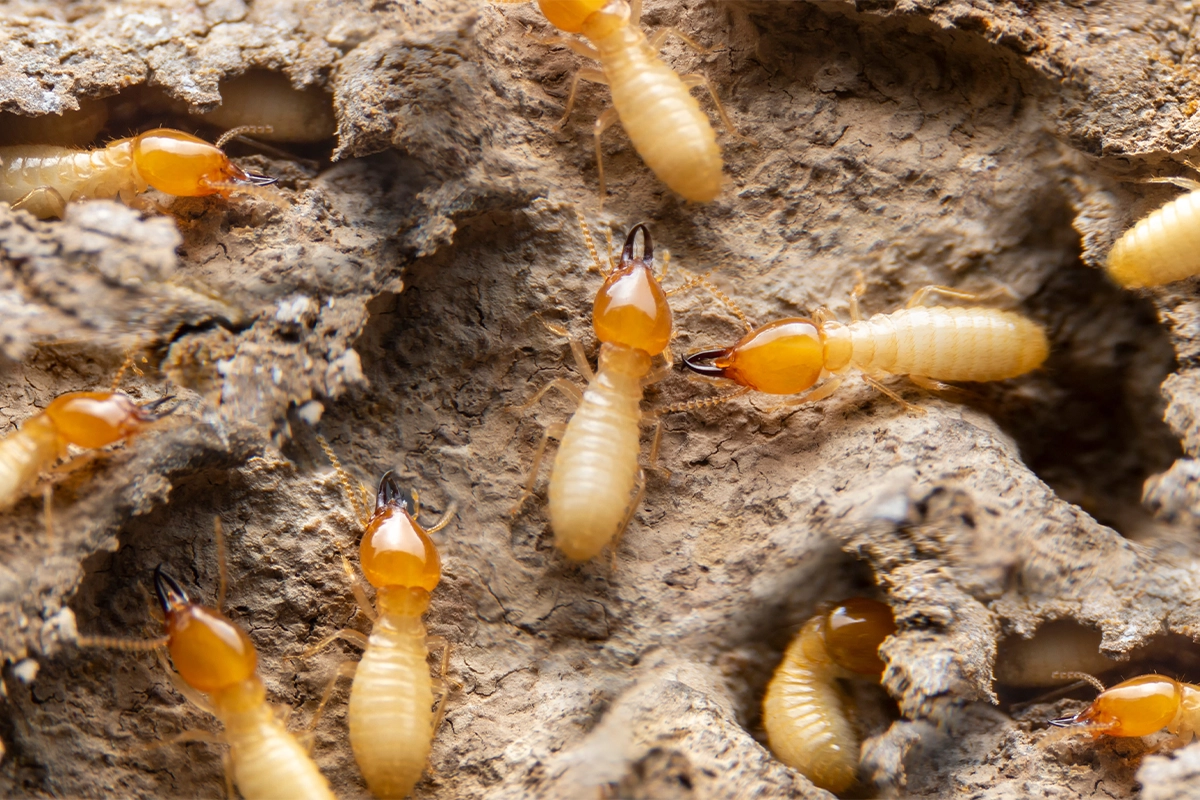

You spot mud tubes along the skirting board. A pinhole appears in the architrave. You tap the timber and hear that dreaded hollow sound. For many homeowners across banora Point and Tweed Heads, the first instinct is to head to Bunnings, grab a can of bug spray, and have a go at it themselves.
It seems logical. It feels cheaper. But here’s the truth most people don’t realise until it’s too late: a DIY termite treatment will almost always make the problem worse, not better.
After more than a decade treating termites across the Northern Rivers, we’ve seen what happens when householders try to handle these pests on their own. The damage bill is rarely small.
Can You Treat Termites Yourself? The Short Answer
Technically, yes. You can buy termite products at the hardware store, and a homeowner can legally apply over-the-counter pesticides on their own property. But “can you” and “should you” are very different questions.
The honest answer from someone who’s been pulling termite-damaged framing out of houses for years: no, you really shouldn’t. Termites in our region, particularly Coptotermes acinaciformis, live in colonies of hundreds of thousands. The main nest is often hundreds of metres from where you actually see damage. Spraying what you can see kills a handful of foragers. The colony doesn’t even notice.
Why DIY Termite Treatment Fails (Almost Every Time)
1. You’re Treating the Symptom, Not the Source
When you see termites in a wall, you’re looking at the workers. They’re a tiny fraction of the colony sent out to feed. The queen, the nursery, and the bulk of the colony are usually in a central nest somewhere on the property or even next door. Surface sprays don’t reach them.
Worse, most retail sprays are repellents. They actively push termites away from the treated area, causing the colony to retreat and re-route through another part of your home you haven’t sprayed. Many homeowners proudly report “they’re gone”, only to discover six months later that the colony moved sideways and ate through a load-bearing wall.### 2. You Disturb the Colony and Trigger Defensive Behaviour
This is the single biggest mistake we see. Once you break open a mud tube or hit an active gallery with bug spray, the colony goes into defensive mode. Workers retreat, scouts re-route, and the entire colony shifts its feeding pattern. The damage continues, just somewhere you can’t see. By the time a professional inspection happens, what could have been a contained issue has spread through multiple wall cavities, floor joists, and sometimes the roof void.
3. Hardware Store Products Aren’t Designed for Subterranean Termites
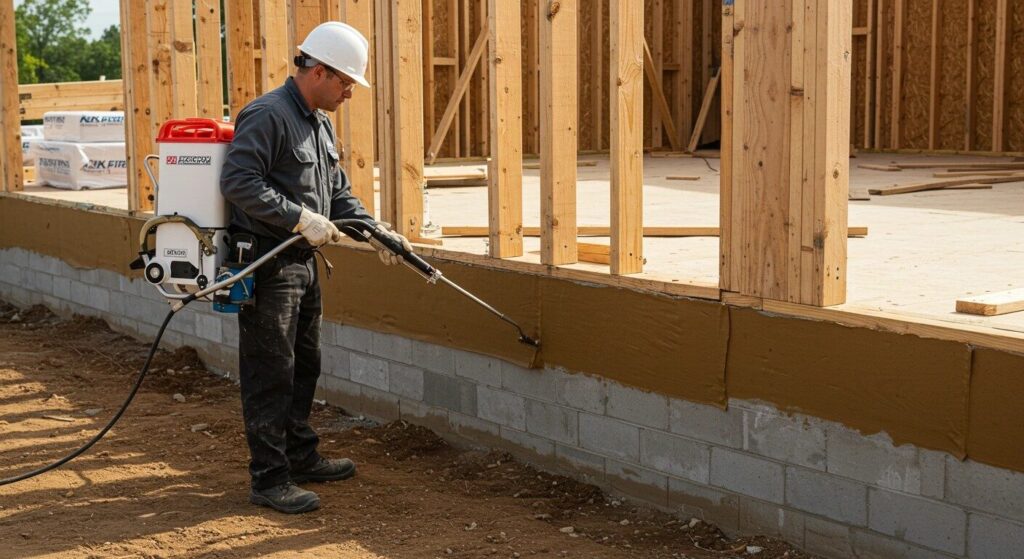
The chemicals available to the public are very different from what licensed technicians use. Professional treatments rely on non-repellent termiticides like fipronil, or biological baits with chitin inhibitors. These products are carried back to the colony by the termites themselves, eliminating it from within. Retail products do not work this way.
4. You Could Void Your Termite Warranty (or Insurance Position)
Most home insurance policies in Australia exclude termite damage. The only meaningful protection is a professional treatment with a manufacturer-backed warranty. If you’ve sprayed something yourself first, you may not be eligible for that warranty when a licensed company is brought in later. You’ve also potentially contaminated the soil, which limits the chemical options available for proper termite treatment down the track.
The Real Cost of Treating Termites Yourself
A professional termite inspection and treatment program typically runs into the low thousands. Repair costs for serious damage can range from $20,000 to well over $100,000.
📖 People also read about:
We recently attended a Banora Point home where the owner had sprayed visible activity in a doorframe eighteen months earlier. He thought he’d sorted it. By the time we did a thorough pest inspection, termites had moved through the wall cavity into the roof trusses and the kitchen cabinetry. The repair quote came back at $47,000.
What You Should Do Instead
If you suspect termites, the single most important thing is don’t disturb them. Don’t spray. Don’t break open mud tubes. Don’t poke at the timber. Leave everything exactly as it is.
Then book a professional inspection. A licensed technician will:
- Carry out a comprehensive inspection using thermal imaging and moisture meters
- Identify the species (different termites need different treatments)
- Locate active galleries without disturbing the colony
- Recommend either a baiting system, a chemical soil barrier, or a combination
- Provide a warranty that protects you long-term
Our termite protection Banora Point service includes a full property assessment and a tailored plan suited to the timber, soil type, and construction style of your home.
Signs of Termite Activity You Should Never Ignore
If you notice any of the following, get a professional out fast:
- Mud tubes (pencil-thin earthen tunnels) on brickwork, foundations, or in subfloors
- Hollow-sounding timber when tapped, particularly architraves and door frames
- Discarded wings near windows or light fittings, usually in spring
- Sagging floors, doors that suddenly stick, or cracking in plaster walls
- Tiny piles of what looks like sawdust (frass) near skirting boards
In the Northern Rivers humidity, termite activity spreads faster than in cooler parts of Australia. Annual inspections aren’t a “nice to have”. They’re how you stay ahead of the problem.
📖 People also read about:
Prevention Beats Treatment Every Time
The smartest approach isn’t reacting to termites. It’s preventing them from getting a foothold in the first place. For most Banora Point homes, that means a yearly inspection, keeping garden beds and timber stacks away from the slab, ensuring weep holes aren’t blocked, fixing leaking taps or gutters (moisture draws termites), and installing a barrier system suited to your build.
Our residential pest control program combines termite monitoring with general pest treatment, giving you year-round protection.
The Bottom Line on DIY Termite Treatment
Can you treat termites yourself? Yes, the products are on the shelf. Should you? Not if you value your home’s structural integrity, your insurance position, or your peace of mind. Termites are not a DIY pest. They’re sophisticated, persistent, and silent. By the time the damage is visible, you’re already months or years into a problem.
💡 Need help?
We offer professional pest inspection to help you achieve your goals.
If you’ve spotted anything suspicious around your Banora Point, Tweed Heads, or wider Northern Rivers property, leave the area undisturbed and call us in for a proper look. We’ll tell you exactly what’s going on, and if you don’t have termites, we’ll tell you that too.
Get In Touch with TSD Pest Control today for an honest inspection from a team that’s been protecting Northern Rivers homes for over a decade.
Frequently Asked Question –
1. Can you treat termites yourself with products from Bunnings?
You can buy them, but they rarely work. Retail sprays only kill visible workers, not the colony. Worse, they push termites deeper into your home, making damage spread faster while you think the problem is solved.
2. What happens if I spray termites I find in my wall?
The colony goes into defensive mode and re-routes through untreated parts of your home. Damage continues silently in wall cavities, floor joists, or the roof void, often costing tens of thousands more to fix later.
3. How much does professional termite treatment cost compared to DIY? Professional inspection and treatment usually runs into the low thousands. DIY-related damage repairs typically range from $20,000 to over $100,000, so professional treatment is far cheaper long-term.
4. How often should I get a termite inspection in the Northern Rivers?
At least once a year. The humid Banora Point and Tweed Heads climate lets subterranean termites spread quickly, so annual inspections catch activity early before structural damage starts.