
Ever found soft timber or hollow-sounding walls, and your gut whispers termites? You’re not alone – many miss the early signs.
Left unchecked, termite damage grows quietly, costing thousands and turning safe spaces into crumbling headaches.
Living up here along Northern NSW means termites love your home as much as you do – with our heat, moisture, and timber-rich builds. That’s why understanding termite risks in Northern NSW is essential for every homeowner.
The trickiest part? You rarely see them until it’s too late, which makes routine checks and early action so important.
If you’re a Tweed Coast homeowner or property manager, you’re right to stay alert to termite risks.
We at TSD Pest Control help protect your home or business with proven treatments and prevention that work for the long haul.

Understanding Termite Risks in Northern NSW
Hidden beneath homes and inside walls, termites in Northern NSW quietly turn timbers into hollow shells. Across the Tweed and Northern Rivers regions, the warm and damp climate fuels constant termite activity. Trouble is, many homes sit in moderate to high-risk zones without realising it.
We see damage that could’ve been avoided with early checks. Knowing how termites behave and where they thrive is the first step in staying ahead. Timing, moisture, and type of construction all play a role in the risks around your property.
Common Termite Threats in Northern NSW
Not all termites act the same, and that matters when you’re trying to protect your home. In this region, species like Coptotermes and Nasutitermes are most destructive. They thrive in humid zones and are well-suited to coastal timber homes.
The fallout? Properties near bushland or poorly drained areas are most prone to attack. Termite migration isn’t random either – they follow underground paths, tree roots and damp areas leading straight to your home. Some species are less destructive but still signal nearby colony activity.
Understanding Termite Behaviour and Life Cycle
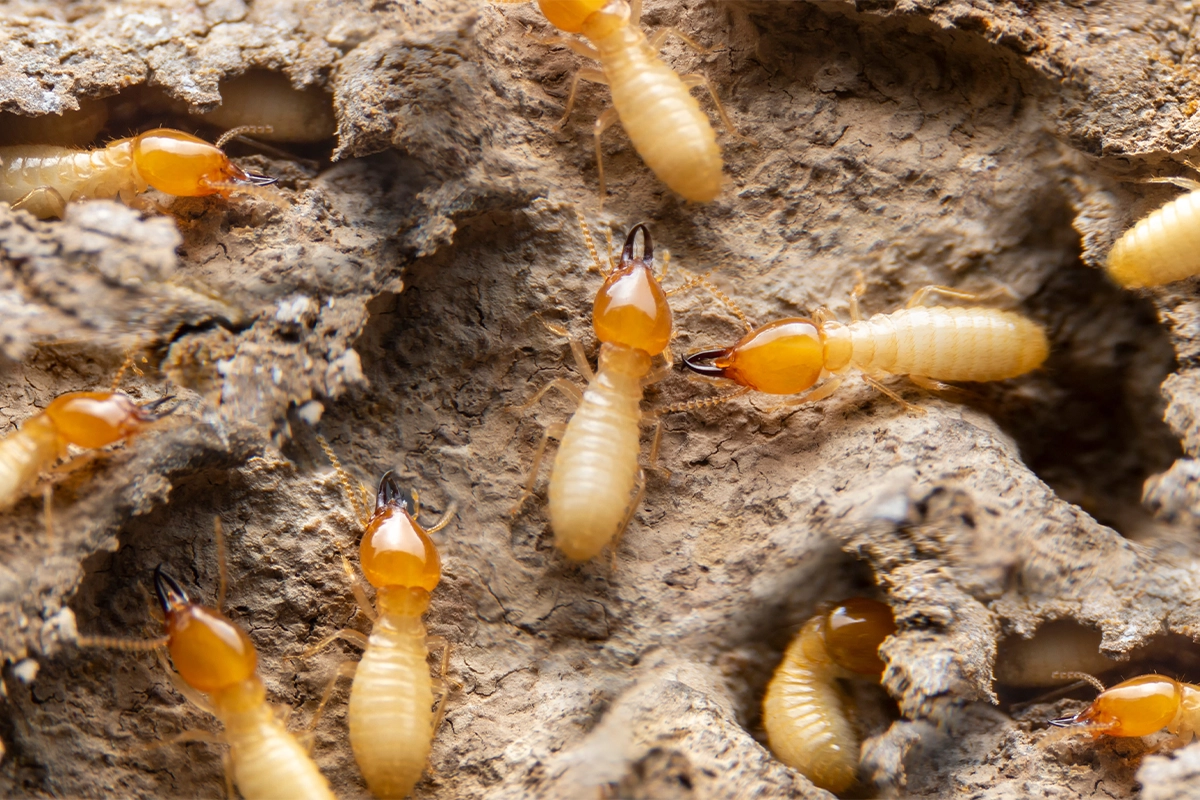
Every colony begins with a swarm, usually after rain, when flying termites search for nesting grounds. These swarmers drop wings and crawl into timber or soil to build their base.
Moisture and access to wood are major attractions. Colonies grow through phases – starting tiny but maturing into structures that hold thousands. Life inside a colony revolves around workers, soldiers, and a constantly reproducing queen. Once the numbers build, you might notice frass, clumps of dirt, or strange wall noises – signs that things are getting serious.
Identifying and Detecting Infestations
Most people don’t see termites until floors begin to buckle or cedar beams crumble. What gives them away are subtle clues you might not expect.
Identifying these signals early can save thousands. Even something as simple as an unexplained bulge in paintwork can mean termites are tunnelling behind the surface.
Visual and Structural Indicators
Hollow-sounding timber floors or doorframes often mean trouble beneath the surface. Termites eat from the inside out, leaving outer layers untouched.
Outside, look for mud tubes climbing brick walls or shed wings near windows. Landscaping damage or loose paving may also suggest activity creeping in underground.
Importance of Regular Inspections
A yearly termite inspection is the safest way to catch issues early. At TSD Pest Control, we carry out thorough inspections using advanced tools to check hidden areas.
A proper check includes roof voids, underfloor areas, skirting boards, and garden beds. Only licensed technicians like ours can give an accurate diagnosis for your whole property.
Damage, Costs, and Consequences
Termites aren’t just pests – they’re expensive threats that eat away at both your home and your wallet. The longer they’re left unnoticed, the more the damage builds.
We regularly meet homeowners shocked by how extensive the destruction has become behind their walls, floors, and support beams.
Financial and Structural Impact
Treatment costs range from a few hundred for early interventions up to several thousand for widespread infestations. Most home insurance doesn’t cover repairs linked to termites.
Worst case? Extensive structural damage that affects the home’s safety, value, and rebuild cost. A single colony can tunnel through plasterboard, skirtings, and support structures in under 12 months.
Post-Infestation Cleanup and Repairs
Cleaning up after an infestation means replacing damaged frames, doors, and insulation. We help manage these steps and handle termite warranty claims if prior treatments failed.
It’s not just about timber either – a full infestation can stir allergens and leave behind bacteria and grime you’ll want cleared promptly.
Control and Eradication Techniques
Every home responds differently to termite control, so treatments must match your property layout and the colony’s location. There’s no single fix – what matters is targeting the source.
Out here in NSW’s coastal stretch, moisture, airflow, and timber conditions call for well-thought-out plans, not one-size-fits-all sprays.
Professional Termite Services and Approaches
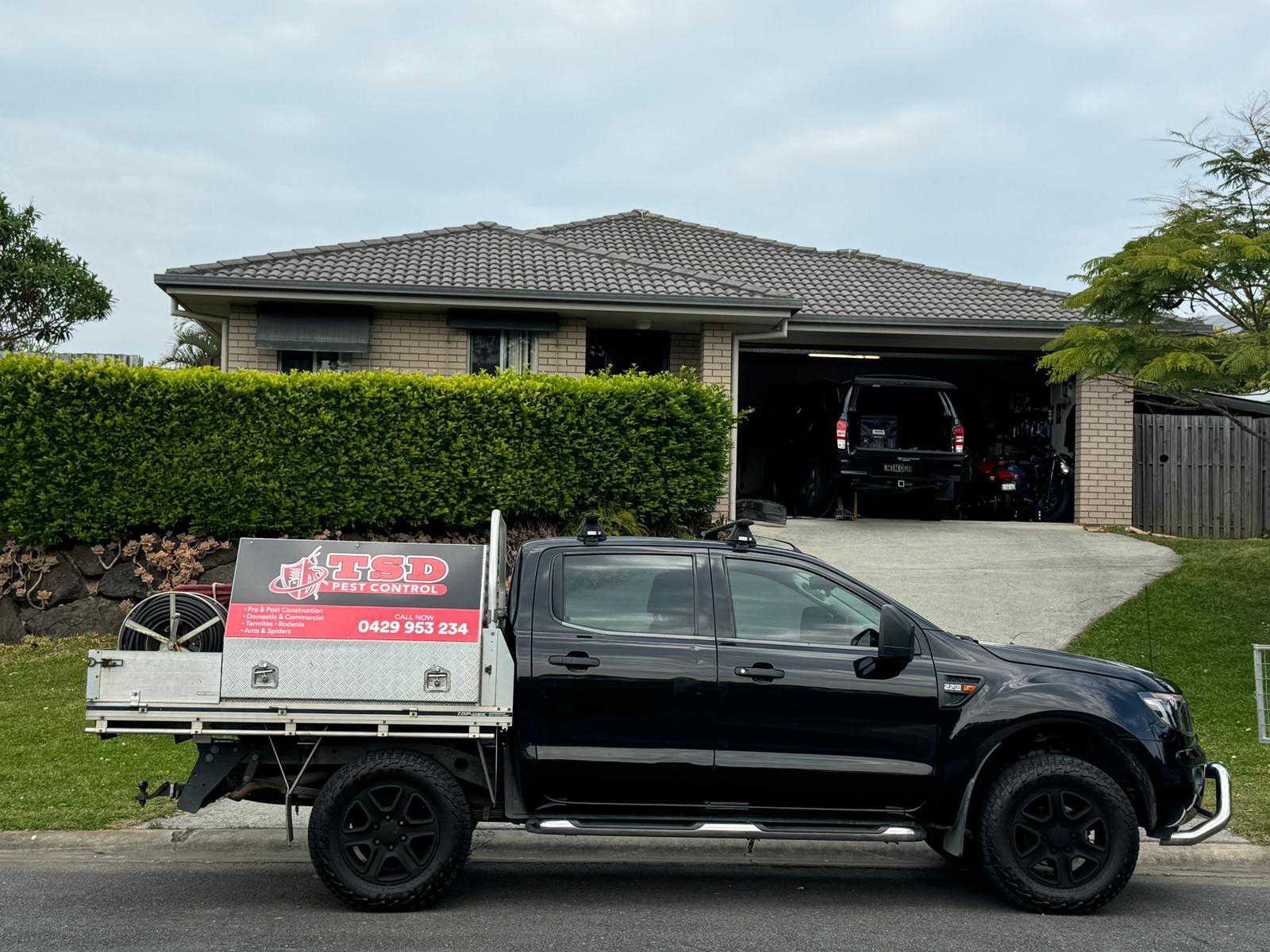
We at TSD Pest Control offer licensed services tailored to Northern NSW homes. From thermal imaging to moisture metres, we’ve got the tools to find colonies fast.
Whether it’s a small colony in a garden bed or widespread damage inside walls, we adjust treatment to match the infestation level and home layout.
Common Termite Control Treatments
Chemical barriers are great for new builds or post-clearance reinforcement. Soil treatments form a shield, pushing termites away from foundations.
Reticulation systems pump chemical deterrents through underground pipes – ideal for long-term protection. For sensitive sites, bait stations slowly eliminate colonies without widespread chemical use.
Preventive Measures for Homeowners
Your first defence starts with how you look after your home. Even small lifestyle changes and smarter building choices lower the chances of infestation.
Think of termites like opportunists – they find spots where wood meets soil or moisture collects. Cutting off those zones helps a lot.
Practical at-Home Tips and Tools
Clearing gutters, fixing leaky taps, and trimming tree roots can keep termites from settling near your house. DIY stations near sheds or fences offer extra insight.
For gentler solutions, we recommend natural deterrents like orange oil or neem spray in garden beds where infestation is suspected.
Construction, Renovation and Landscaping Considerations
If you’re building or renovating, look into treated pine or naturally resistant hardwoods. Keeping timber off the ground changes everything.
Building codes now promote slab-edge exposure and barrier integration. We can offer advice before you lay your first row of bricks or plant a new tree.
Legal and Environmental Considerations
In NSW, pest services must follow environmental regulations around chemical use. That’s why we use eco-conscious methods that meet all safety standards.
Our pest management plans focus on accuracy, not overkill. That means fewer chemicals and more targeted results without harming your pets or the bushland.
Regulatory Compliance and Safety
Using licensed professionals like us keeps your property compliant and safe. From product handling to application zones, there are strict rules we follow closely.
We keep costs sensible too by applying only what’s needed – no sweeping sprays or overpriced extras. Careful treatment wins every time.
Monitoring and Long-Term Management
Termite risk doesn’t vanish after one treatment – it’s managed. That’s why long-term strategies that monitor and preempt risk pay off in the end.
We install monitoring systems that provide updates before termites turn active again. That’s smarter than waiting for fresh signs of damage.
Maintenance and Risk Mitigation
We help set up term alert stations tailored to Northern NSW conditions, guiding you on simple upkeep practices.
Once service is done, we stay in touch and offer annual rechecks to maintain protection. Keep an eye on reviews too – they’ll help you decide who to trust.
FAQ
Once every 12 months is ideal, especially in moisture-heavy coastal areas. For high-risk zones, check every 6 months.
Yes, especially if conditions remain unchanged. That’s why we recommend follow-up monitoring and barrier reinforcement.
Baiting eliminates colonies over time, while barriers block future access. We often use both depending on your property’s layout.
Not for large colonies. DIYs help with risk reduction, but complex infestations need professional tools and training.
Yes. Termites stay active year-round inside structures. Cooler months simply slow visible activity, but colonies keep feeding.
Your Home Deserves Peace, Not Pests
Sleep comes easier when there’s no scratching behind the walls or silent worry about what’s creeping unseen. Termites don’t knock before entering, but their presence leaves a mess that’s hard to ignore.
Reacting too late often means paying more. Understanding termite risks in Northern NSW and staying one step ahead is the safest, smartest choice and honestly, the simplest when you’ve got the right support.
At TSD Pest Control, we know what’s at stake. We’re locals who understand Northern NSW termite patterns – and we’ve got solutions that work. Book an inspection today.
Trae
TSD Pest Control is a locally owned pest management business based in Banora Point, serving Tweed Heads and the wider Northern NSW region. Its technicians are licensed and carry out inspections and treatments across homes and businesses — covering termites, ants, cockroaches, spiders, rodents and more — and write these guides to help local property owners manage the pests common to the Tweed Coast.