
No. Booking a general pest treatment for the first time? Most homeowners think they’re paying for “spraying the whole house”, and then get surprised when ants reappear in the kitchen a fortnight later, or when termites turn up uninvited despite the recent visit.
After ten-plus years servicing homes from Banora Point to Tweed Heads West, we’ve found that a quick walk-through of what’s actually included in a standard service (and what sits outside it) saves clients money, time, and frustration. Here’s the honest breakdown.
What “general pest control” actually means in Tweed Heads
A general pest treatment is a routine, broad-spectrum service designed to protect against the most common household pests in our region. It is not a single-pest specialist treatment, and it’s not a structural inspection.
In the warm, humid Northern Rivers climate, the standard pests we target during a general service include:
- Ants (sugar ants, black ants, and the invasive Funnel Ants)
- Cockroaches (German, Australian, and American)
- Spiders (Redbacks, Black House, Huntsman, and Daddy Long Legs)
- Silverfish
- Native and European wasps (external nests only)
A typical pest control treatment in Tweed Heads for a standard three- or four-bedroom home takes around 60 to 90 minutes and is valid for six to twelve months depending on the products used and the season.
What’s included in a standard general pest control treatment
A proper general service is never a single can of spray at the front door. From the way we run our residential pest control service, here’s what should be ticked off every visit:
Internal treatment
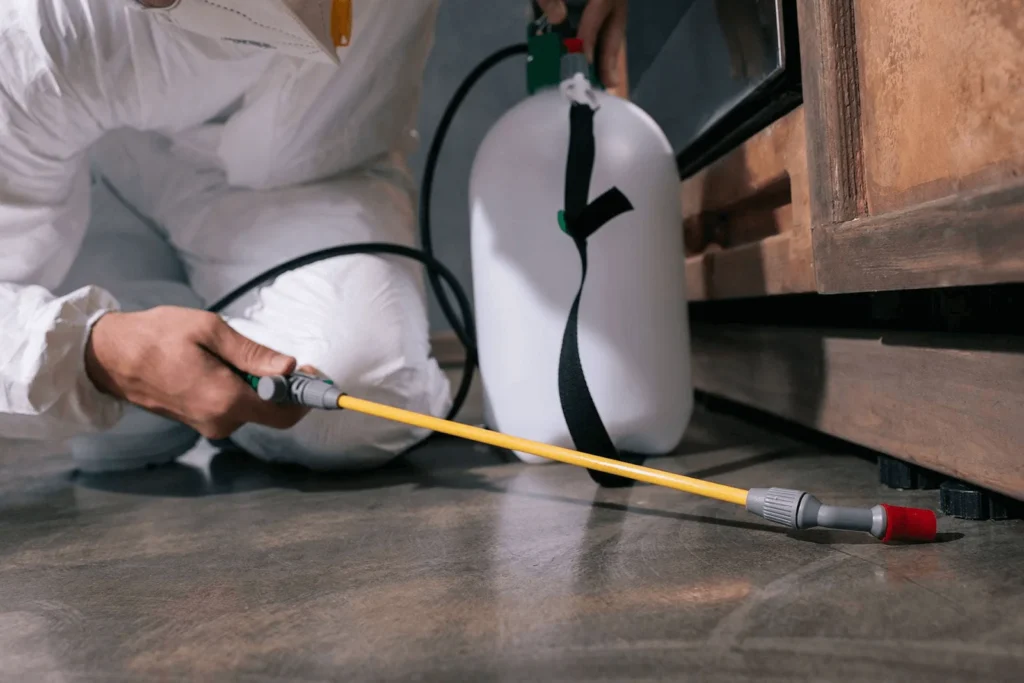
- Skirting boards, door frames, window architraves, and wet-area edges treated with a low-toxicity residual spray
- Cracks, crevices, and behind-fridge or cupboard hinges dusted or gel-baited (cockroach hotspots)
- Roof void treated where access allows. This is where most spider and rodent activity starts
External treatment
- A continuous perimeter spray around the foundation, weep holes, and slab edge
- Eaves, fascia, and external window frames de-webbed and treated for spiders
- Sub-floor and garden bed edges checked and treated where applicable
- Fence lines and outbuildings sprayed if included in your quote
Inspection and reporting
- A visual check for signs of termite activity, rodents, or larger infestations
- A written service report listing products used, treated areas, and any conducive conditions (leaky pipes, garden mulch against the slab, etc.)
- Safety advice on re-entry times, especially if you have pets or young children
The products we use across our Tweed Heads service area are family-safe and pet-safe once dry, usually within an hour of application.
What a general treatment does not include
This is where most misunderstandings happen. A standard service is not a fix-all, and assuming it is can leave your home exposed to the more destructive pests.
1. A full termite inspection
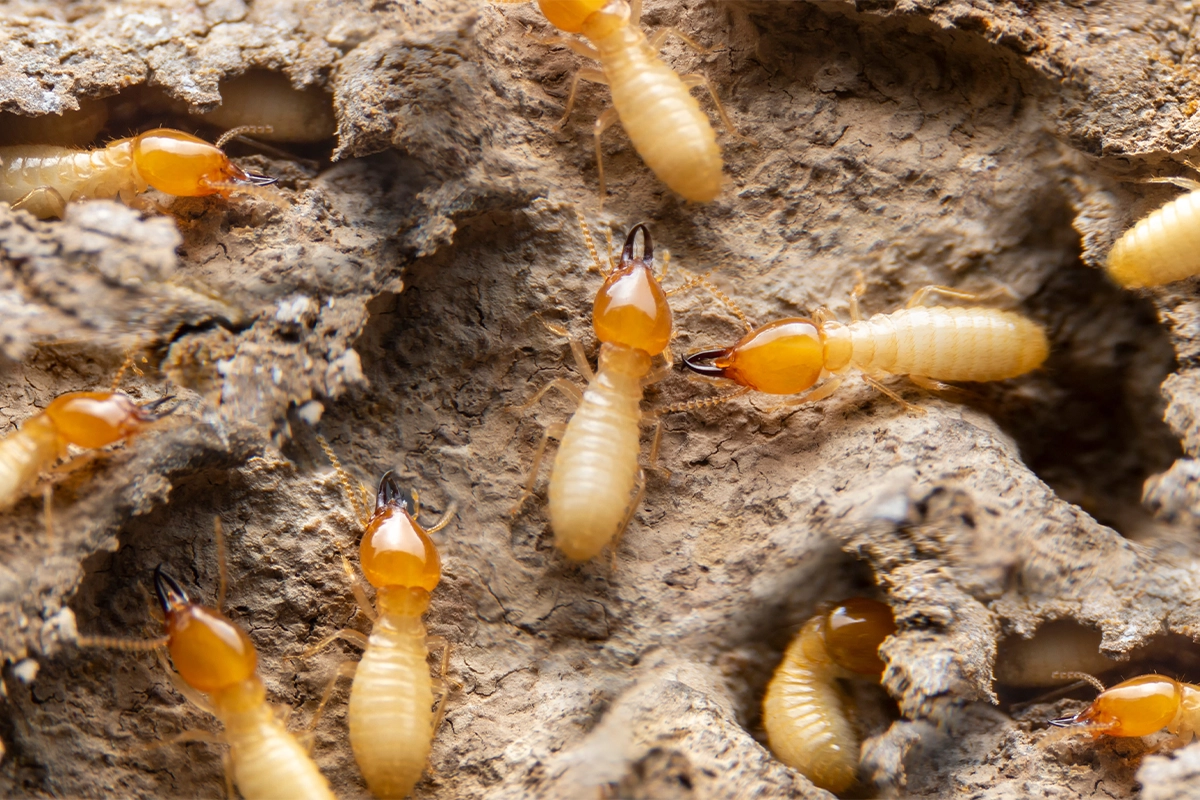
A general pest spray will not detect or stop subterranean termites. Termites need a separate, dedicated termite treatment and inspection service using moisture meters, thermal imaging, and physical probing of timber. In our region, where most homes are within strike range of active colonies, a yearly termite-specific inspection is non-negotiable.
2. Rodent baiting and removal
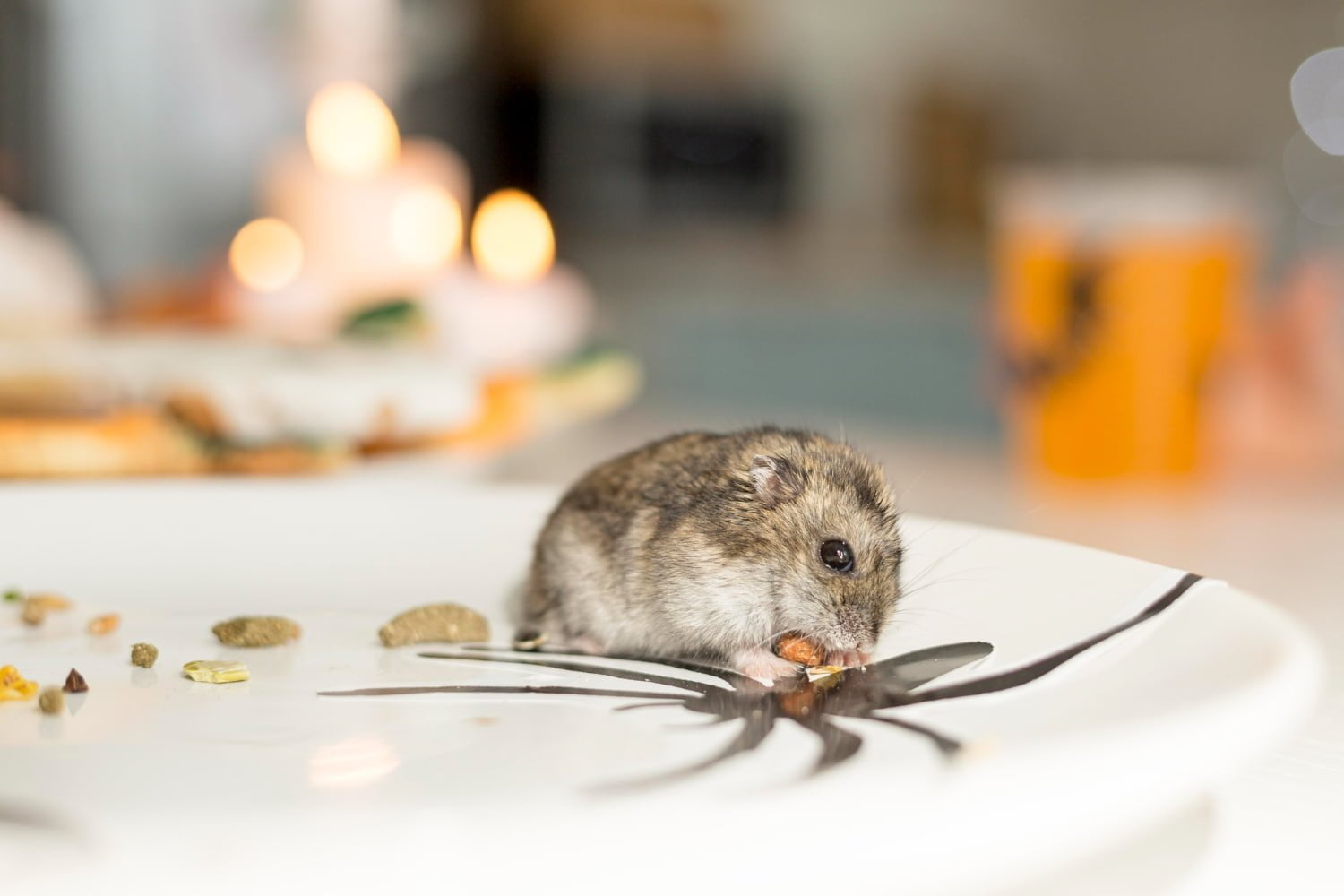
If you’re already hearing scratching in the ceiling, a quick spray won’t fix it. Rats and mice need lockable baiting stations, exclusion work, and follow-up visits. We handle this through our rodent pest control service, which is quoted separately from a general treatment.
📖 People also read about:
3. Fleas and bird mites
These pests live on hosts or in bedding, not along skirting boards. They need targeted heat treatments, mattress preparation, and often two or three return visits. They sit outside a general service.
4. Bee removal or live wasp nest removal in roof voids
For safety and licensing reasons, active in-roof wasp nests and bee colonies are handled as a separate job.
5. Commercial-grade kitchen treatments
A café, restaurant, or food-processing site has different compliance requirements. Our commercial pest control service covers HACCP-aligned reporting, monthly service schedules, and bait station mapping that a residential service doesn’t.
How often should you book a general treatment?
For most homes between Tweed Heads and Banora Point, an annual general treatment is enough. If your property backs onto bushland, has a pool surround, or sits near the river, we usually suggest going every six months, since the pest pressure is genuinely higher.
📖 People also read about:
A few signs you’ve left it too long between services:
- Daddy Long Legs webs returning in corners within weeks of cleaning
- Ant trails in the same spots every spring
- Cockroaches sighted in daylight (a strong indicator of an established population)
- Spider sightings indoors during cooler months
What to do before your technician arrives
A small amount of prep makes a big difference to how effective the treatment is:
- Sweep down obvious webs so the spray reaches the active areas
- Pull furniture 30 cm away from external walls where possible
- Cover or remove pet food and water bowls
- Lift kids’ toys off the lawn
- Make sure the technician has access to the roof manhole and sub-floor
After the treatment, leave the perimeter spray undisturbed for two to four hours, and avoid mopping skirting boards for at least a week.
Final word
A general pest treatment is the foundation of keeping your home liveable through a Northern Rivers summer, but it isn’t the whole picture. Knowing what falls inside it (ants, spiders, cockroaches, surface pests) and what sits outside it (termites, rodents) means you can plan properly rather than reacting to a problem that’s already taken hold.
💡 Need help?
We offer professional pest inspection to help you achieve your goals.
If you’re unsure where your home sits on that scale, the simplest next step is an on-site assessment.
Get In Touch with TSD Pest Control today for honest advice on what your property actually needs, with no upsells and no scare tactics.
Frequently Asked Question –
1. What’s the difference between a general pest treatment and a termite inspection in Tweed Heads?
A general pest treatment targets surface pests like ants, spiders, and cockroaches. A termite inspection is a separate service using moisture meters and thermal imaging to detect subterranean termite activity in timber.
2. How often should I book pest control in Tweed Heads?
For most homes, once a year is enough. Properties backing onto bushland, near the Tweed River, or with pool surrounds need a service every six months due to higher pest pressure in the Northern Rivers climate.
3. Are general pest treatments safe for pets and children?
Yes. Treatments are family-safe and pet-safe once dry, usually within an hour. Keep pets and kids off treated areas during application and avoid mopping skirting boards for at least a week afterwards.
4. Why are rodents not included in a general pest control treatment?
Rats and mice need lockable baiting stations, exclusion work, and follow-up visits — not a routine spray. They sit outside the general service and are quoted separately to actually solve the infestation.