
If you’ve spotted ants marching through your kitchen or nesting around your home’s foundations, chances are you’re dealing with one of two species: the black house ant (Ochetellus glaber) or the coastal brown ant (Pheidole megacephala). Both are common across the Tweed Coast and Northern NSW, and both require different ant pest control strategies to eliminate effectively.
At a Glance: Key Differences
| Feature | Black House Ant | Coastal Brown Ant |
| Colour | Shiny jet black | Light brown to yellowish |
| Size | 2–3 mm | 1.5–2 mm (workers) |
| Preferred habitat | Inside wall cavities, kitchens | Garden beds, pavement cracks |
| Attraction | Sweet foods, grease | Proteins, seeds, greasy foods |
| Nesting | Indoors and roof voids | Outdoors, large mound colonies |
| Risk level | Nuisance, contamination | Structurally disruptive, aggressive |
Black House Ant: What to Know
The black house ant is one of Australia’s most frequently seen indoor pests. Its glossy black body makes it easy to spot on bench tops and around food storage areas. These ants are highly attracted to sugary foods. A half-open jar of honey or a dripping tap is enough to draw an entire foraging trail indoors.
Colonies nest in wall voids, roof spaces, and timber framing, making them difficult to treat with over-the-counter sprays that only kill foragers, not the queen. Incorrect treatment often causes colony splitting, resulting in multiple satellite nests throughout the home.
Coastal Brown Ant: What to Know
The coastal brown ant (Pheidole megacephala) is listed as one of the world’s 100 worst invasive species. Unlike its black counterpart, it nests primarily outdoors, in garden beds, under pavers, and along retaining walls, but will aggressively enter homes seeking protein-rich foods.
📖 People also read about:
Their colonies can contain multiple queens and hundreds of thousands of workers, meaning DIY baits rarely penetrate deep enough to collapse the nest. They also displace native ant species and can indirectly protect other garden pests such as aphids and scale insects.
Which Ant Do You Have? Quick ID Tips
- Shiny and black, trailing near food? → Black house ant
- Light brown, found under pavers or disturbing soil? → Coastal brown ant
- Seeing large-headed “soldier” ants mixed with tiny workers? → Coastal brown ant (Pheidole have a distinct soldier caste)
- Trails running up walls into roof? → Likely black house ants nesting in the roof void
If you’re unsure, a professional pest inspection is the fastest and most accurate way to confirm the species and locate the nest.
📖 People also read about:
Why Correct ID Matters for Treatment
The treatment approach differs significantly between the two species:
- Black house ants respond well to sweet gel baits placed along active trails, combined with a residual perimeter treatment to block re-entry points.
- Coastal brown ants require protein-based baits and targeted nest drenching, as sweet baits often have little effect on this species.
Applying the wrong product wastes time, money, and can push colonies deeper into the property. This is why species identification by a licensed technician is step one of any effective ant pest control programme.
💡 Need help?
We offer professional pest inspection to help you achieve your goals.
Related Pest Services from TSD Pest Control
Ant infestations rarely arrive alone. The same conditions that attract ants, including moisture, food debris, and entry gaps, also draw in:
- Cockroach pest control — cockroaches share the same harbourage zones as black house ants
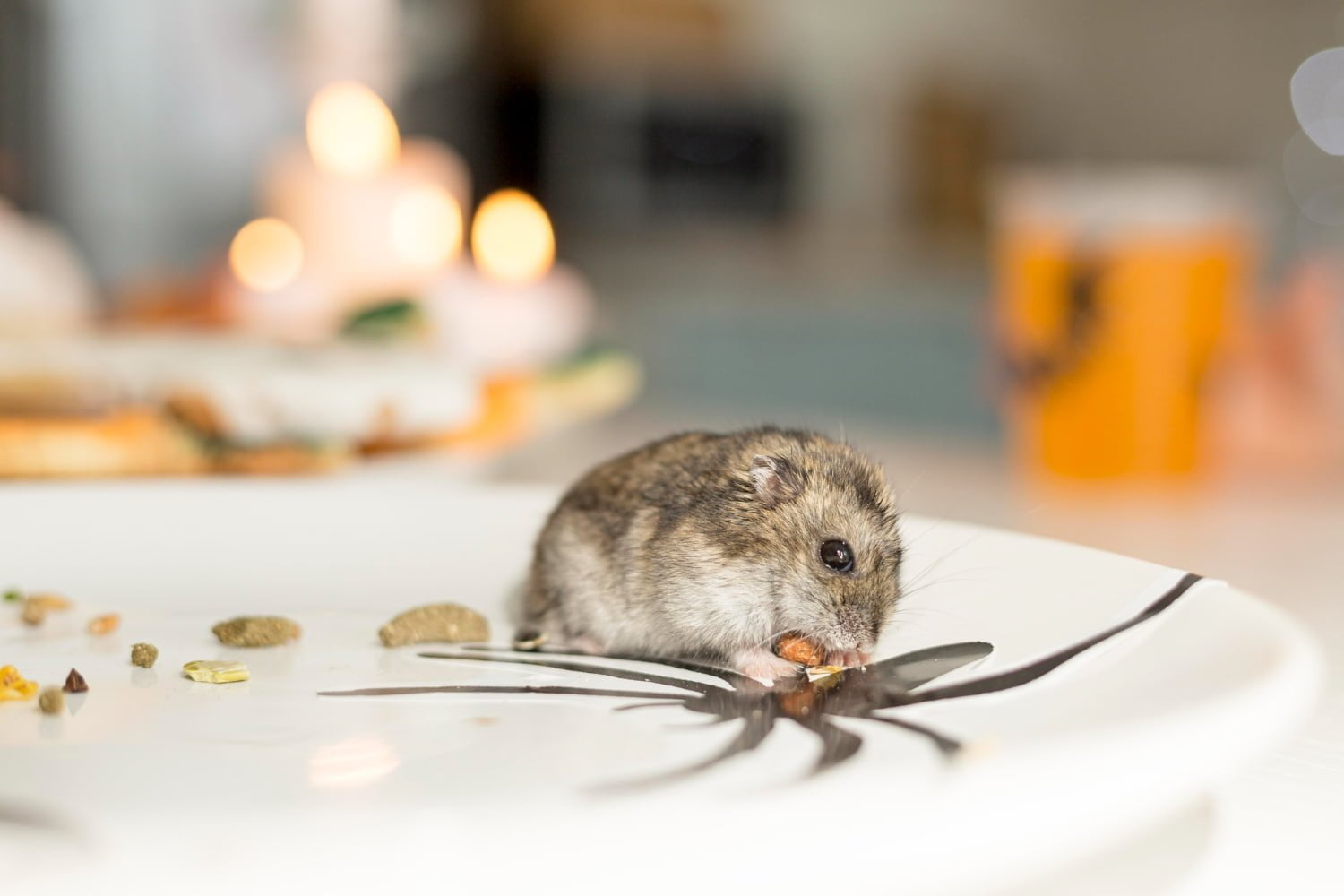
- Rodent pest control — mice and rats exploit the same wall cavity entry points
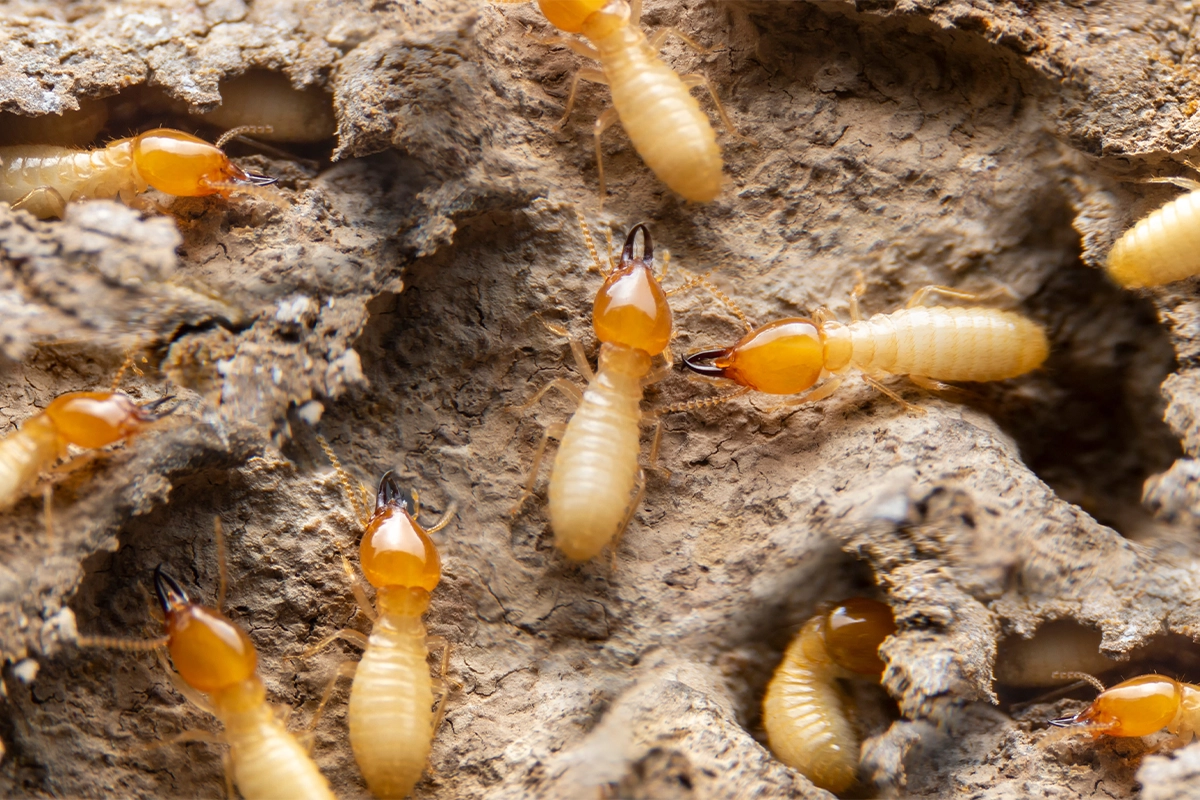
- Termite inspections — coastal brown ant activity near foundations can sometimes mask early termite damage
- Spider pest control — spider populations increase where ant colonies attract a larger insect food chain
Get In Touch with TSD Pest Control
Whether you’re dealing with a black house ant trail through the kitchen or a large coastal brown ant colony lifting your pavers, TSD Pest Control’s licensed technicians can identify the species, locate the nest, and deliver a treatment plan that actually works.
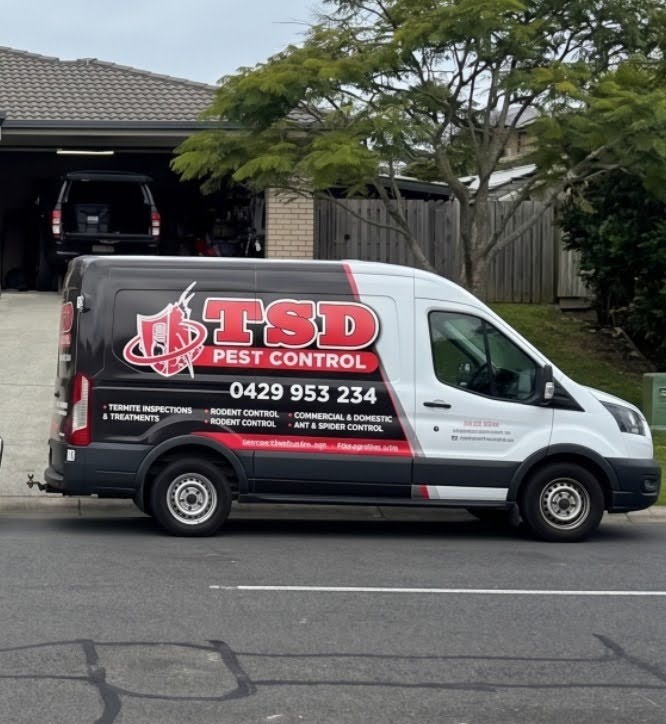
Get In Touch today for a fast, professional quote across Tweed Heads, Casuarina, Bogangar, Cabarita Beach, Bilambil Heights, and surrounding areas.