
Not all ants are the same. The little black trail on your kitchen bench, the bright red ones running across the lawn, and the chunky black soldiers in your pile of firewood all need different treatment approaches. Here are the types of ants we see most often when treating properties across Banora Point, Tweed Heads, Casuarina, Terranora and Bilambil Heights, with notes on how each behaves and what we do about them.
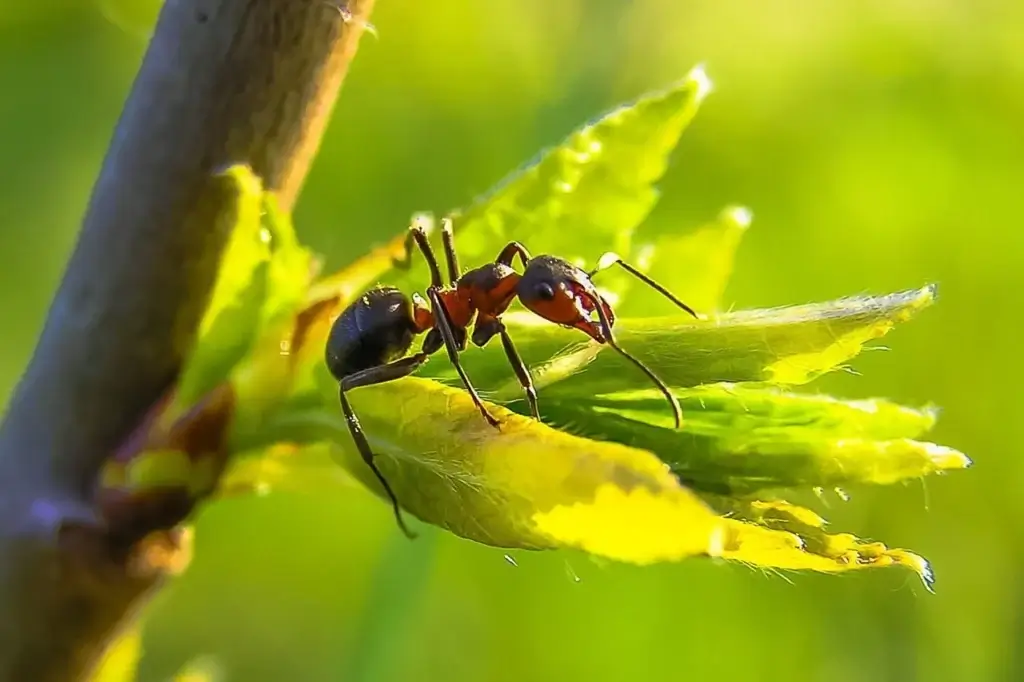
Coastal Brown Ant
The most common ant we treat across the Tweed Coast. Small, light brown to dark brown, and incredibly successful in coastal climates. They nest in paving cracks, under garden edging, in retaining walls, and inside wall voids if they can find a way in. Coastal Browns are aggressive colonisers and split easily into satellite nests when threatened, which is why they are notorious for coming back after spraying. We treat them with non-repellent perimeter products and targeted bait at entry points. They are the species behind most of the repeat ant problems we see in Banora Point homes.
Argentine Ant
Small, light to medium brown, with smooth shiny bodies. Argentine ants form supercolonies that can stretch across multiple properties, with workers from one nest happily cooperating with another. This is why an Argentine ant problem at your address often lines up with the same problem at your neighbours. Treatment needs to be coordinated across the affected area or the trail just shifts. We see them most often in newer estates where the soil disturbance from construction created the conditions they like.
Sugar Ant
Larger than the small house ants, with a distinctive orange-brown body and a darker head. As the name suggests, they go straight for sweet things, so spilled cordial, fruit on the bench, or even a jar of honey can pull them in fast. Sugar ants nest outdoors in soil, under logs, and in tree stumps, then forage indoors. They are easier to bait than Coastal Browns because they take sweet bait without hesitation. Most sugar ant trails clear within a week of proper bait placement.
Bull Ant
Large, aggressive, and capable of delivering a genuinely painful sting. Bull ants are the ones you see clearly with your eyes from a distance, often a centimetre or more long, with reddish bodies and large mandibles. They nest in soil mounds in gardens and lawns and will defend the nest fiercely if disturbed. We have experienced clients who tried to mow over a bull ant nest and ended up with multiple stings within seconds. We treat bull ant nests directly with dust applied straight into the entrance, which is faster and safer than waiting for bait to work.
Carpenter Ant
Large, dark, and capable of doing serious damage to softened or damp timber. Carpenter ants do not eat the timber but tunnel through it for nesting, which weakens structural elements over time. They nest in tree stumps, decking timbers, fence posts, and any softened wood with moisture. They are commonly mistaken for white ants because they are found in damaged timber, but the treatment and risk profile are different. We have a separate full guide to carpenter ant vs white ant identification if you are not sure which you have.
Fire Ant
Reddish brown, small to medium sized, and aggressive in defence of the nest. Fire ants are a notifiable pest in Australia, which means if you suspect them at your property, the law requires you to report the sighting to the National Fire Ant Eradication Program rather than treat them yourself. The Tweed Coast is currently part of the active surveillance zone, and our role when we see suspected fire ants is to stop work, document, and notify. If you suspect them at your property, contact the program directly on 13 25 23 or via fireants.org.au.
Identifying the species is half the job. The other half is matching the right product and method to that species, the location, and how the property is set up. If you are not sure what you have, send us a clear photo and we can usually pick it from there. Read more about our ant pest control service, or our piece on telling carpenter ants from white ants, or just get in touch.
Not Sure Which Ants You Have?
Send us a photo or call us. Getting the species right is what determines the right treatment.
Frequently Asked Questions
What is the most common ant in Tweed Heads homes?
The Coastal Brown Ant is by far the most common species we treat across Banora Point, Tweed Heads and the wider Tweed Coast. They thrive in the warm humid coastal conditions, nest easily in paving and retaining walls, and split into satellites when threatened, which is why they are also the species behind most repeat ant problems.
Are bull ants dangerous?
Yes, bull ant stings are genuinely painful and can cause severe allergic reactions in some people. They are larger and more aggressive than house-foraging species, and they will defend the nest if disturbed. We treat bull ant nests directly rather than using bait because the speed of resolution matters when there is a sting risk to children, pets, or anyone using the lawn.
Do all ant species respond to the same bait?
No. Sweet-feeding species like sugar ants take sugar-based bait readily, while protein-feeding species need a protein bait at certain times of year. Coastal Brown Ants will sometimes take both depending on the colony stage. Choosing the wrong bait is one of the most common reasons DIY treatment fails. We always identify the species first.
What should I do if I think I have fire ants?
Do not touch the nest, do not spray it, and do not try to treat it yourself. Fire ants are a notifiable pest in Australia, which means you must report any suspected sighting to the National Fire Ant Eradication Program by calling 13 25 23 or visiting fireants.org.au. The program will send out an officer to confirm the identification and handle treatment.
Trae
TSD Pest Control is a locally owned pest management business based in Banora Point, serving Tweed Heads and the wider Northern NSW region. Its technicians are licensed and carry out inspections and treatments across homes and businesses — covering termites, ants, cockroaches, spiders, rodents and more — and write these guides to help local property owners manage the pests common to the Tweed Coast.