
If you have ever lain awake to scratching and scurrying above the ceiling on a warm night, you already know how unsettling a rodent in the roof can be. On the Tweed Coast, the hot and humid months give rats and mice everything they want: plenty of food, water close by and a sheltered roof space to raise their young.
The good news is that most roof problems can be prevented with a few simple checks and some honest maintenance. After more than 10 years of treating homes across Banora Point, Tweed Heads and the surrounding Tweed Shire, we see the same entry points and the same attractants again and again. This guide walks you through what they are and how to fix them.
Why Rodents Move Into Roofs When It Heats Up
Summer on the Tweed Coast means fruiting trees, full compost bins, lush gardens and regular storms. That is a feast for rodents, and it supports bigger litters and faster breeding.
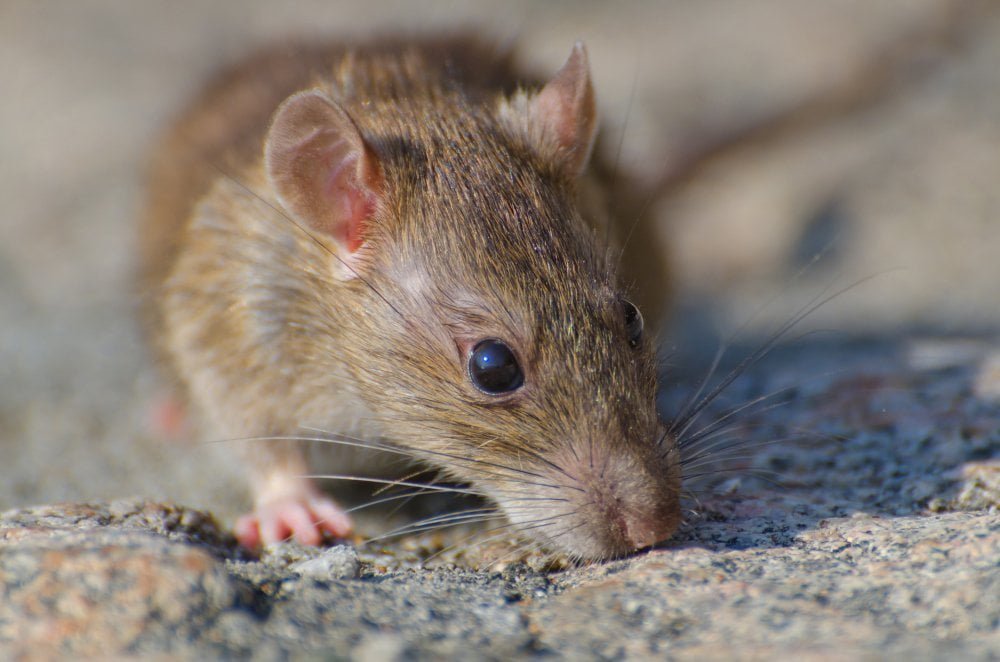
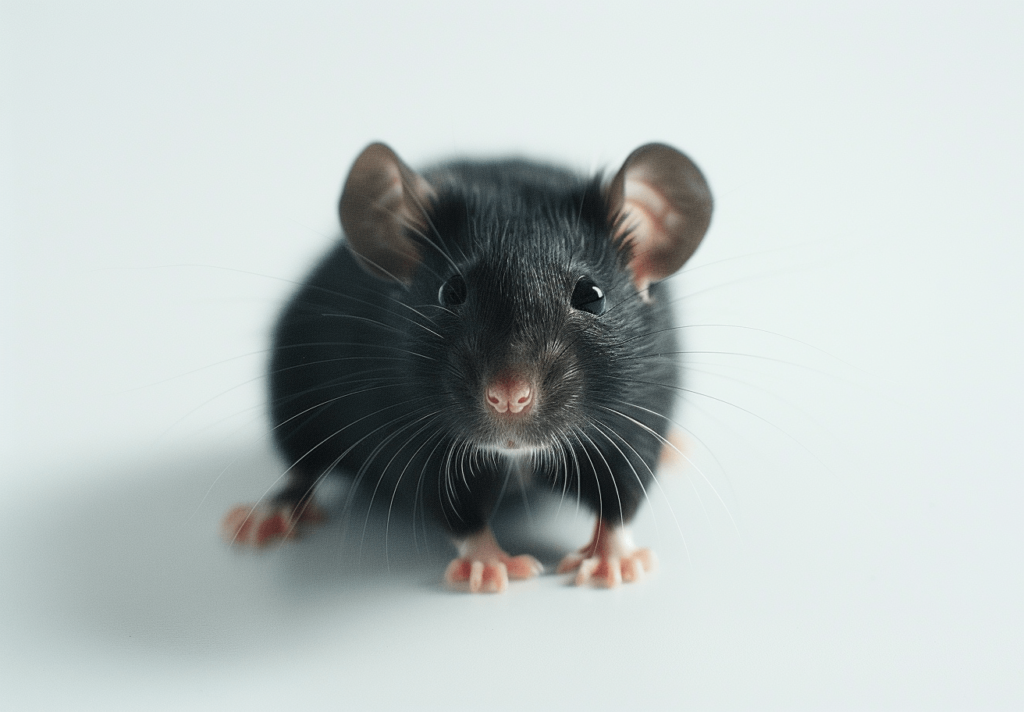
The roof rat, also known as the black rat, is the one we deal with most in roof spaces. It is an excellent climber and happily runs along fences, power lines, palm fronds and overhanging branches to reach your roofline. Once inside, insulation makes a soft, protected nest, and the space stays dry even when summer storms roll through.
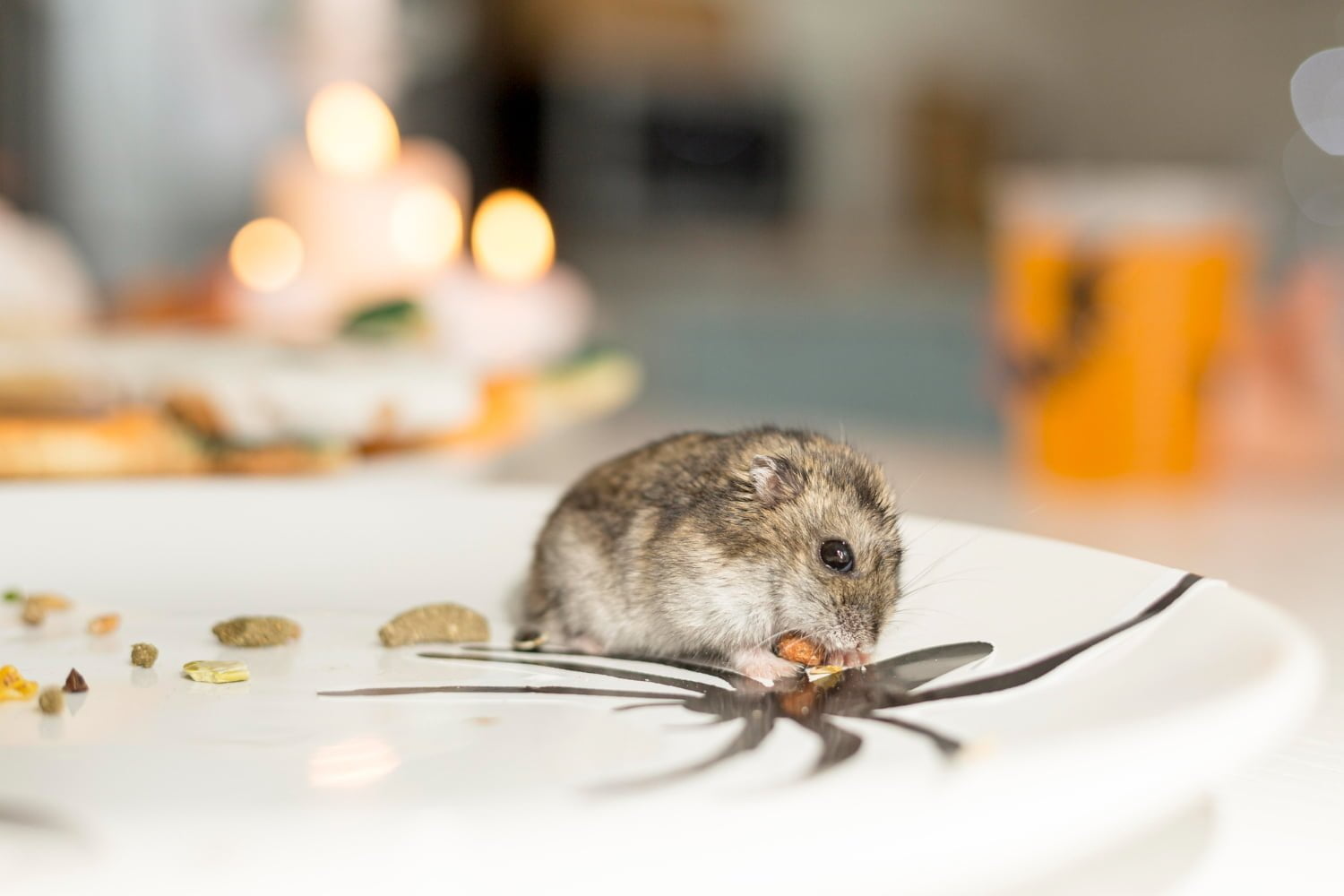
Mice are smaller and tend to favour wall cavities and kitchens, but they will also use the roof if they can get in.
Signs You Already Have Rodents in the Roof
Catching activity early makes everything easier. Watch and listen for:
- Scratching or scurrying after dark, often starting around dusk and continuing through the night.
- Droppings in the roof space, along the tops of cupboards or near the manhole.
- Dark grease marks along beams, fascia boards or entry gaps, left by rodents brushing past.
- Chewed insulation, cables or stored boxes in the roof void.
- A musty smell that gets stronger on hot days.
Heavy thumping rather than light scurrying usually points to a possum. Possums are protected native animals in NSW, so the approach is very different, and it pays to identify the culprit before doing anything.
How to Keep Rodents Out of Your Roof
1. Trim Trees and Palms Back From the Roofline
Overhanging branches are a highway straight onto your roof. Keep trees, palms and climbing plants trimmed well clear of the roof and gutters, ideally a metre or more. Palms are a favourite, because rats nest in the fronds and feed on the seeds.
2. Remove Easy Food Sources
Rodents stay where food is easy. In summer, that often means:
- Fallen mangoes, citrus, avocados or macadamias left on the ground
- Pet food and bird seed left out overnight
- Open compost bins and overflowing wheelie bins
- Barbecue grease trays
Pick up fallen fruit every day or two, store pet food in sealed containers and keep bin lids closed.
3. Cut Off Water Sources
Hot weather makes water just as attractive as food. Fix dripping taps, redirect air conditioner condensate lines away from the house and bring pet water bowls inside at night. Clean gutters regularly too, because blocked gutters hold water and leaf litter that rodents use.
4. Seal the Entry Points
This is the step that makes the biggest difference. A rat can squeeze through a gap about the width of your thumb, and mice need even less. Common gaps we find on Tweed homes include:
- Cracked or lifted ridge capping and broken roof tiles
- Gaps where the roof meets the fascia or eaves
- Openings around pipes, cables and air conditioner lines
- Damaged vent covers and gaps under garage doors
Use materials rodents cannot chew through, such as galvanised mesh, steel wool combined with a quality sealant, or metal flashing. Expanding foam and plastic covers on their own will not hold up for long.
5. Check the Roof Space at the Start of Summer
A quick look in the roof each spring or early summer helps you spot fresh droppings, nesting material or chewed cables before a problem grows. If you notice damaged wiring, stop and get a licensed electrician to check it, because chewed cables can be a fire risk.
Why DIY Baiting in the Roof Can Backfire in Summer
It is tempting to throw a box of bait into the roof and hope for the best. In hot weather this often creates a new problem. Rodents that take poison can die inside wall cavities or under insulation, and the smell in a hot roof can be strong and last for weeks.
Loose bait also puts pets, children and wildlife at risk. Owls and other animals can be harmed by eating poisoned rodents. A better approach is to find and seal the entry points first, then use secure, lockable bait stations or traps placed where only rodents can reach them.
When to Call a Professional
If the noises keep coming back, you cannot find where they are getting in, or you are seeing droppings in living areas, it is time for an inspection. Our rodent pest control in Tweed Heads starts with a full check of your roof, walls and outside areas to find nests and entry points. From there, we use secure, pet-safe baiting stations and exclusion methods to remove rodents and stop them coming back.
We will also talk you through what we found and where the gaps are, so you know exactly what to watch for. If mice are your main concern indoors, our guide on how to get rid of mice covers that in more detail.
Book a Rodent Inspection With TSD Pest Control
A rodent-free roof starts with removing what attracts them and closing the gaps they use to get in. TSD Pest Control is fully licensed and insured, uses eco-friendly and pet-safe treatments, and offers same-day service across Banora Point, Tweed Heads and the Tweed Shire.
Hearing noises in the roof this summer? Contact TSD Pest Control or call 0429 953 234 to book an inspection.