
Running a restaurant in Tweed Heads means juggling busy kitchens and the constant scrutiny of Tweed Shire Council inspectors. When an Environmental Health Officer (EHO) walks through your back door, the first thing they want to see isn’t a clean floor. It’s your pest control paperwork. A missing logbook or out-of-date treatment record can hold up your next compliance certificate.
This guide walks you through what council inspectors look for and why partnering with a local restaurant pest control specialist is the smartest move for any Tweed Heads food business.
Why Restaurants in Tweed Heads Need Specialist Pest Control
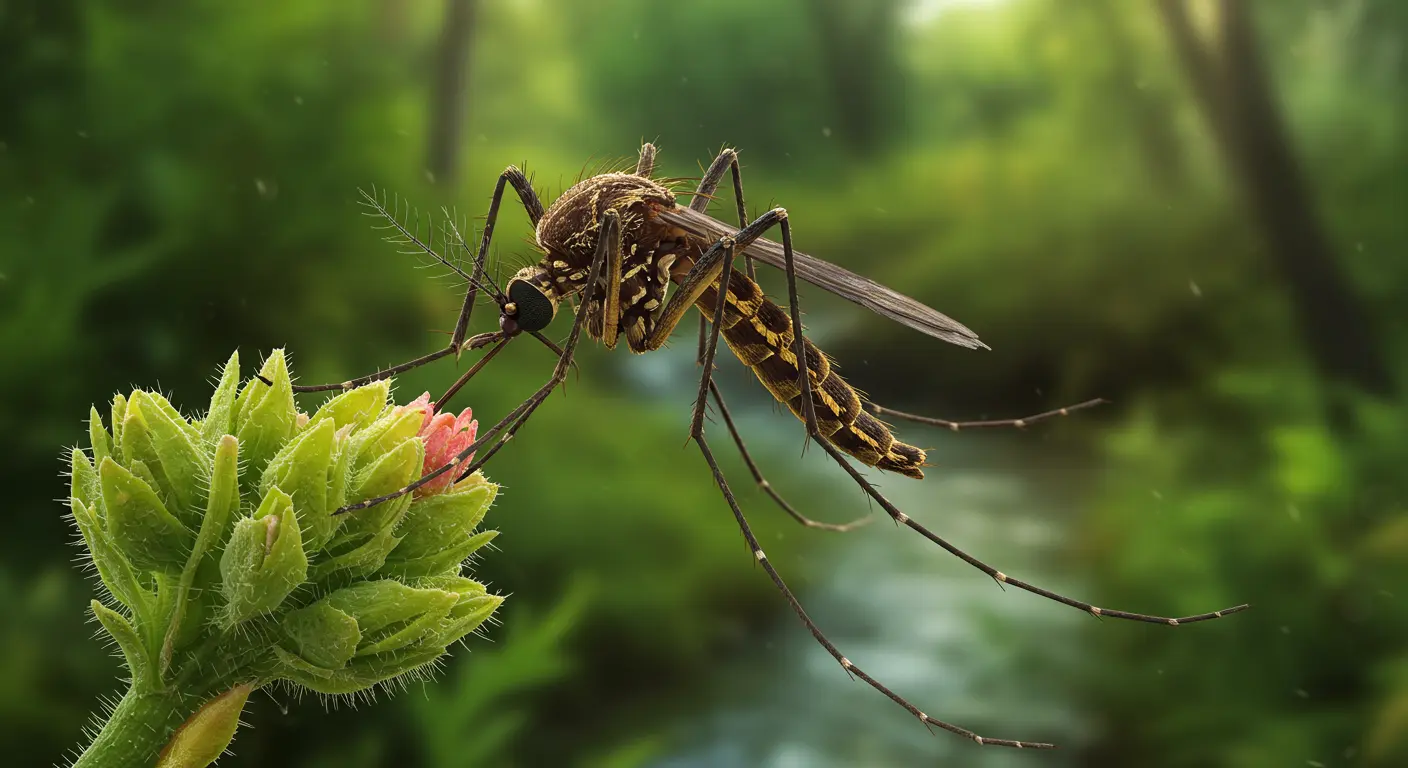
Tweed Heads sits in a subtropical pocket where warm temperatures, river humidity, and constant food deliveries create the perfect storm for pest activity. Cockroaches, rodents, flies, and ants thrive in commercial kitchens, not because owners are careless, but because conditions are ideal for them.
Generic commercial pest control isn’t enough for a food venue. Restaurants face stricter rules under the Food Act 2003 (NSW) and Food Standards Code 3.2.2, which require active pest management as part of your Food Safety Program. That means treatments, monitoring stations, and proof, not just one-off sprays.
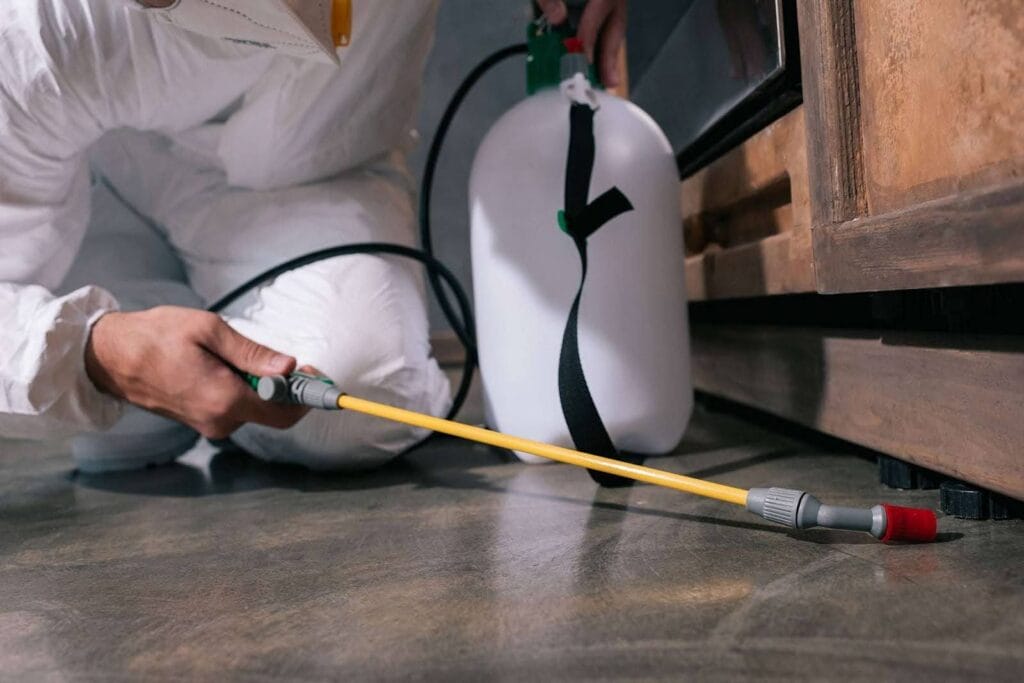
A provider who understands commercial pest control for hospitality matches treatments to the realities of a working kitchen: food-safe chemicals, after-hours visits, secure bait stations, and documentation that ticks every council box.
What Council Inspectors Actually Check
When a Tweed Shire EHO visits, pest control for restaurants is one of the first areas reviewed. Here’s what they typically ask to see:
- A current pest management contract with a licensed technician
- Service reports for the past 12 months, signed and dated
- A pest sighting logbook maintained by staff
- Bait station maps showing where rodent and insect monitors are placed
- Material Safety Data Sheets (MSDS) for chemicals used on site
- Evidence of corrective actions when sightings were recorded
If any of these are missing or incomplete, you risk a “critical non-conformance” on your report. Repeated issues can lead to penalty notices, forced closures, or licence reviews.
The Four Pests That Cause the Most Council Failures
1. Cockroaches
German cockroaches in particular love the warm, moist environment behind dishwashers, fridges, and coffee machines. A single sighting during inspection is often enough to fail the visit. Our cockroach control treatments use food-grade gel baits and targeted residual sprays that work without disrupting service.
2. Rodents
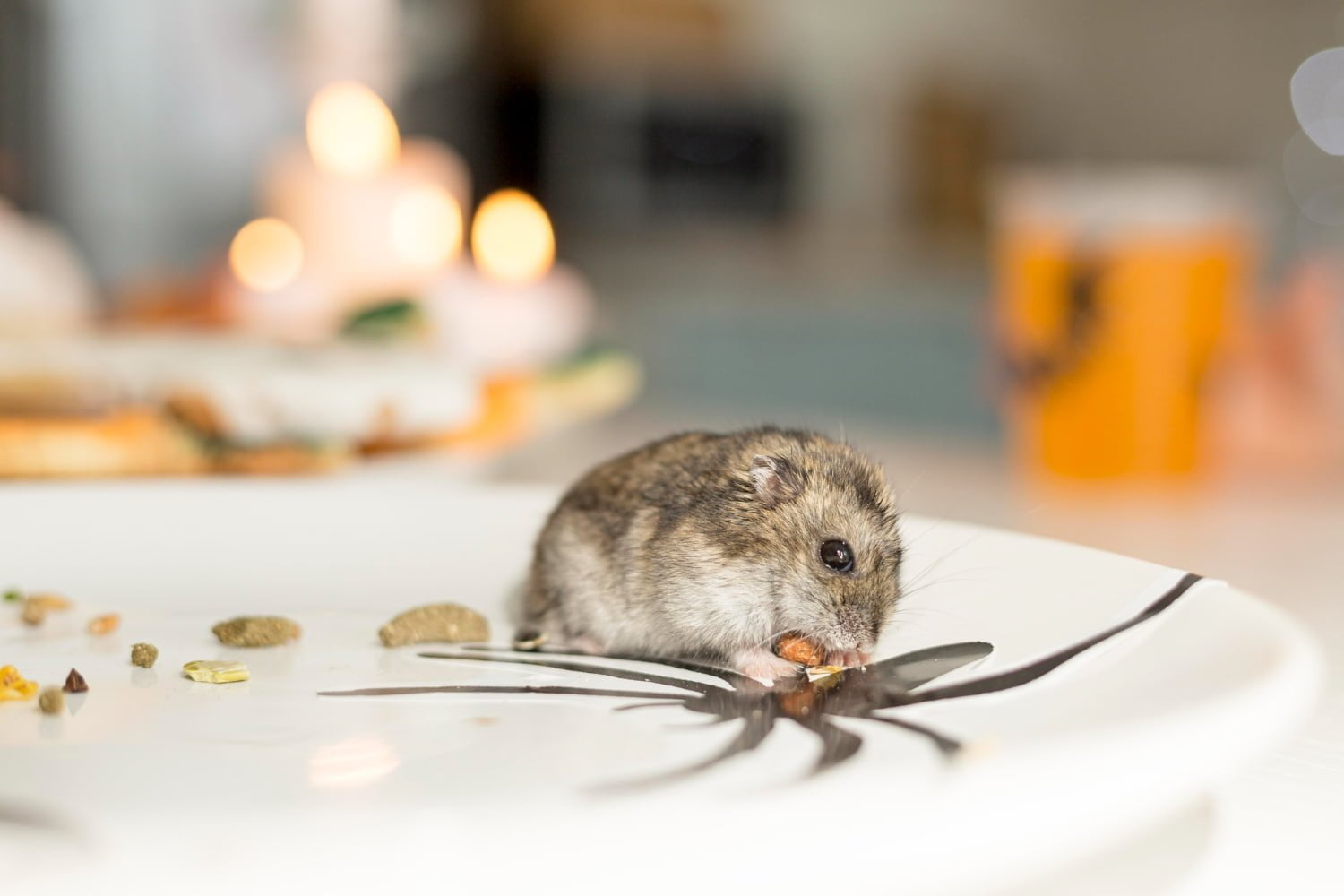
Rats and mice carry pathogens like Salmonella and Leptospira, and they chew through wiring and refrigeration seals. Inspectors look for droppings, gnaw marks, and grease trails along walls. A professional rodent management program with tamper-proof external bait stations is non-negotiable for food premises.
3. Flies
Drain flies, blowflies, and houseflies are common in venues that handle organic waste. Inspectors check fly screens, door seals, and grease traps. Insect Light Traps (ILTs) placed away from food zones are standard.
4. Ants
Ant trails near food prep areas signal poor sealing or sanitation. While less serious than rodents or roaches, ant activity still counts as “pest evidence” on a report. Targeted baiting destroys the colony at the source rather than just clearing visible workers.
📖 People also read about:
Building a Council-Ready Documentation Pack
The good news: staying inspection-ready isn’t complicated. It’s about consistency. Here’s the system every Tweed Heads restaurant should run:
Monthly service schedule. Book regular treatments (monthly or bi-monthly depending on risk) and file every report. Each should detail the date, technician name, licence number, chemicals applied, areas treated, and findings.
Pest sighting register – Train staff to log every sighting, even one ant in the dry store. Note date, location, who saw it, and the action taken. This shows inspectors you run an active monitoring culture.
Site map with station locations – A floor plan marking rodent bait stations, fly traps, and insect monitors helps inspectors verify coverage in under two minutes.
Chemical records – Keep MSDS sheets for every product used on site. Licensed providers supply these after each visit.
Corrective action log – If a rodent is spotted, record the issue, response, and verification it’s resolved. This single document often saves restaurants from non-conformance ratings.
📖 People also read about:
Inspection Day: What to Have Ready
Before the EHO arrives, walk through your venue with a checklist. Pay close attention to:
- Door sweeps and fly screens with no visible gaps
- Storeroom shelving 150mm off the floor and 50mm from walls
- Bins covered, emptied, and on hard standing
- Grease trap clean and serviced
- No food debris under or behind equipment
- All pest documentation accessible in one folder
Hand the inspector your pest folder at the start of the visit. It signals professionalism and often shortens the inspection. A well-prepared venue rarely faces the same scrutiny as one scrambling to find records.
How Pre-Inspection Audits Save You From Failures
Many Tweed Heads venues now run an annual or six-monthly internal audit before council arrives. It’s the single most effective way to spot weak points early. A qualified technician can perform a thorough pest inspection that mirrors council’s own checks, then issue a written report with prioritised recommendations.
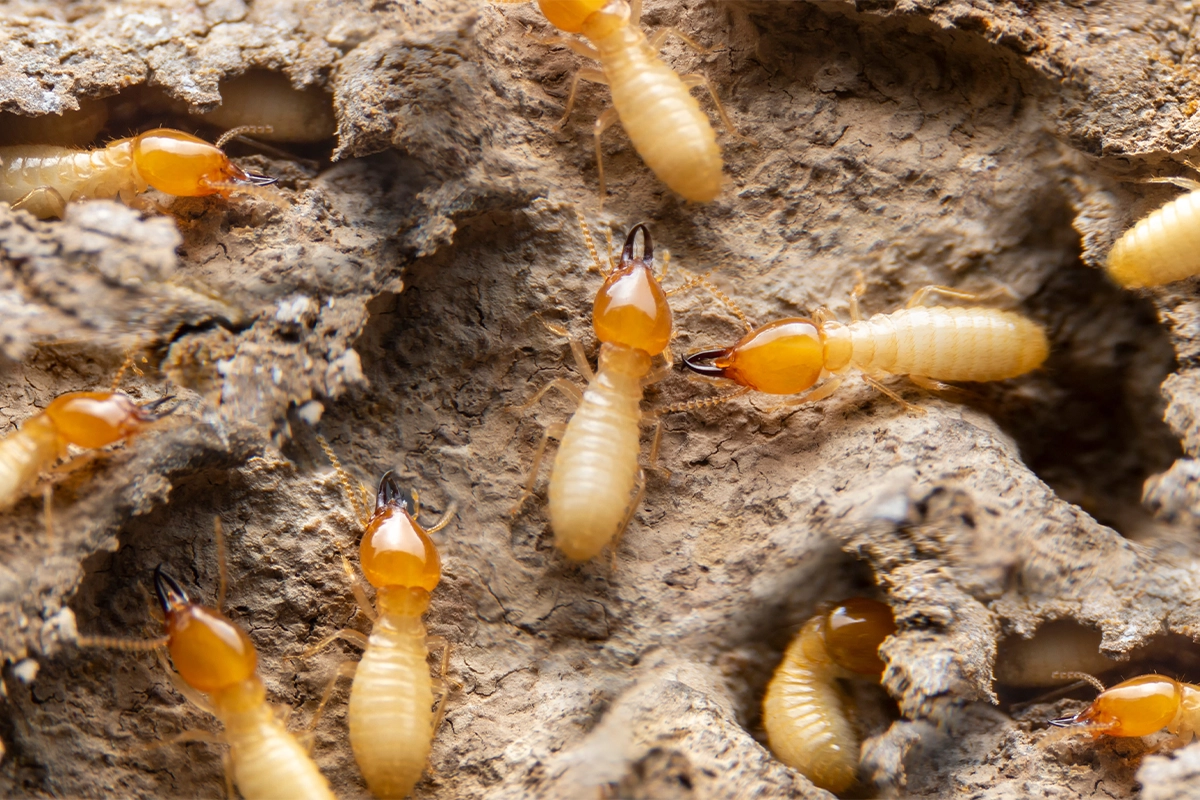
For older buildings, structural issues like cracked tiling, gaps around pipework, or rotting timber often invite both pests and termite activity. A combined pest and termite assessment gives you a complete picture and protects your building as well as your food licence.
💡 Need help?
We offer professional pest inspection to help you achieve your goals.
Choosing the Right Pest Control Partner
Not every pest controller is set up for commercial kitchen work. When selecting a provider for pest control for restaurants in Tweed Heads, look for:
- Current NSW pest management technician licence
- Public liability insurance (minimum $20 million)
- HACCP-aligned reporting templates
- Experience with food-safe chemical handling
- Flexible after-hours scheduling
- A named technician you can call directly
At TSD Pest Control, we’ve worked alongside cafés, restaurants, and clubs across the Tweed for over a decade. Our reports drop straight into your Food Safety folder, and our team is on call when sightings need urgent attention.
Stay Compliant, Stay Open
A failed inspection costs far more than a pest control contract ever will. Lost trading days, social media damage, and licence reviews can sink even a well-loved venue. Treating pest management as a partnership separates restaurants that pass without fuss from those that scramble every time council visits.
For a site walkthrough, fresh service quote, or pre-inspection audit before your next council visit, Get In Touch with the TSD Pest Control team. We’ll build a documentation pack, treatment schedule, and monitoring system that keeps your kitchen and your reputation spotless.
Frequently Asked Question –
Q1: How often should a Tweed Heads restaurant have pest control treatments? Most food venues need monthly or bi-monthly treatments depending on risk. High-traffic kitchens and venues near the river usually need monthly visits to stay compliant with Food Standards Code 3.2.2 and pass council inspections without issues.
Q2: What pest control documents does Tweed Shire Council expect to see during an inspection? Inspectors want a current pest management contract, 12 months of signed service reports, a staff sighting logbook, a bait station site map, MSDS chemical sheets, and a corrective action log. Keep everything in one accessible folder for quick review.
Q3: Can a restaurant fail a council inspection over one cockroach sighting? Yes. A single live cockroach during inspection can trigger a critical non-conformance, especially German cockroaches near food prep areas. Active monitoring and documented treatments protect you better than reactive one-off sprays ever will.
Q4: Is regular commercial pest control different from restaurant pest control? Yes. Restaurant pest control uses food-safe chemicals, after-hours scheduling, secure bait stations, and HACCP-aligned reporting to meet the Food Act 2003 (NSW). Standard commercial pest control rarely covers the documentation council requires for food venues.