
If you’ve spotted ants on the kitchen bench or cockroaches near the nursery, your first thought as a parent is probably: can we treat this without putting our baby at risk? The short answer is yes. Professionally applied pest control is safe for infants when the right products are used, sensible precautions are followed, and a licensed technician handles the work. Here’s what every Banora Point and Tweed Heads parent needs to know to keep their home pest-free and their baby protected.
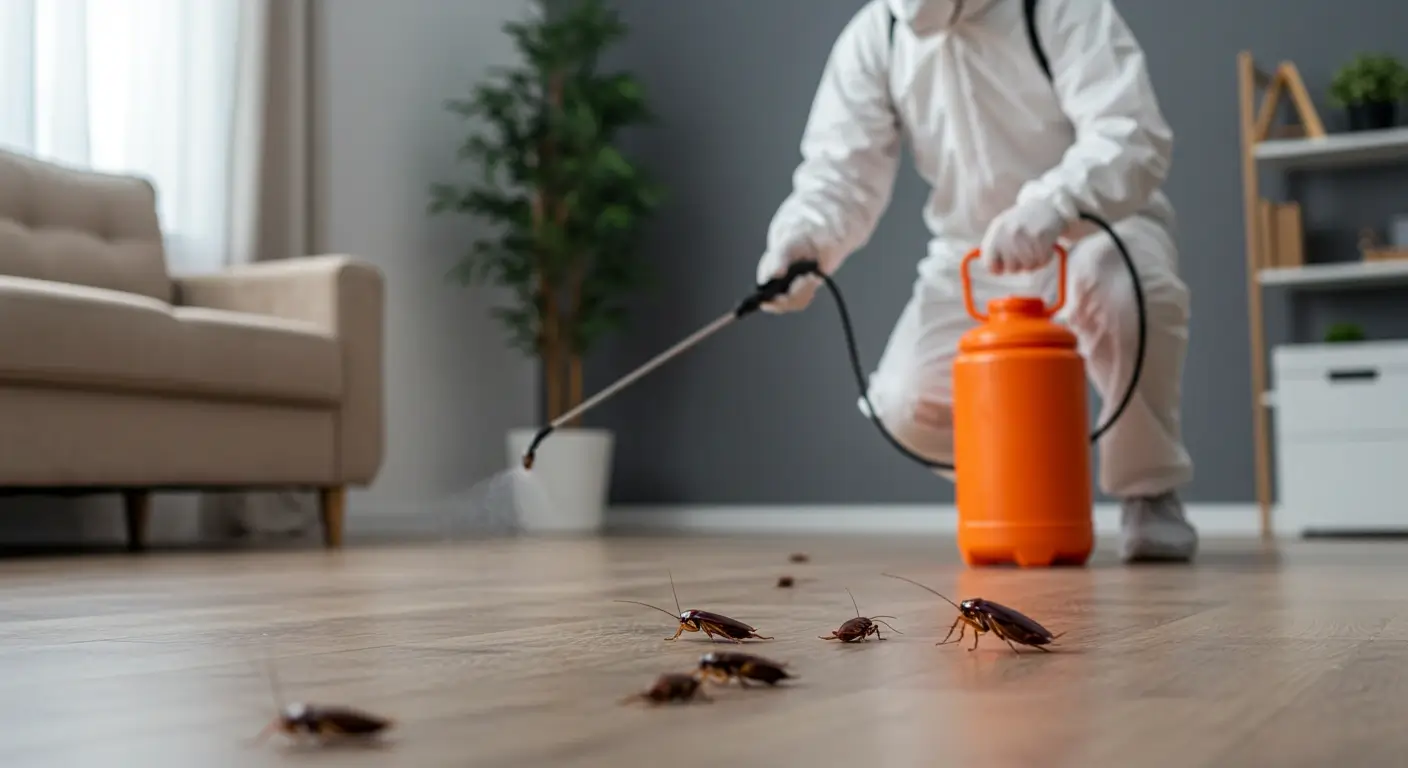
How Professional Pest Control Works Around Babies and Children
Pest control formulations sold in Australia must be registered with the APVMA (Australian Pesticides and Veterinary Medicines Authority), which means they’ve passed strict toxicity reviews before reaching your home. Reputable technicians use targeted application methods like gel baits, crack-and-crevice sprays and tamper-resistant bait stations rather than blanket fogging. These methods keep active ingredients confined to areas pests travel and away from where babies crawl, play and sleep.
Pest Control Chemicals: What’s Safe vs What to Avoid Near Infants
Not every pesticide suits a family home. Here’s a quick guide to what works and what to avoid:
- Synthetic pyrethroids (deltamethrin, bifenthrin) are the most commonly used products in Australian residential treatments. They break down quickly and become inert once dry on a surface.
- Botanical pyrethrins are derived from chrysanthemum flowers and are often chosen for nurseries due to their lower mammalian toxicity.
- Boric acid baits work brilliantly on cockroaches but must be placed inside cupboards, behind appliances or in tamper-resistant stations, never on the floor where a crawling baby can reach.
- Organophosphates and carbamates are older-generation chemicals more toxic to mammals. Any technician proposing these in a home with infants should be politely declined.
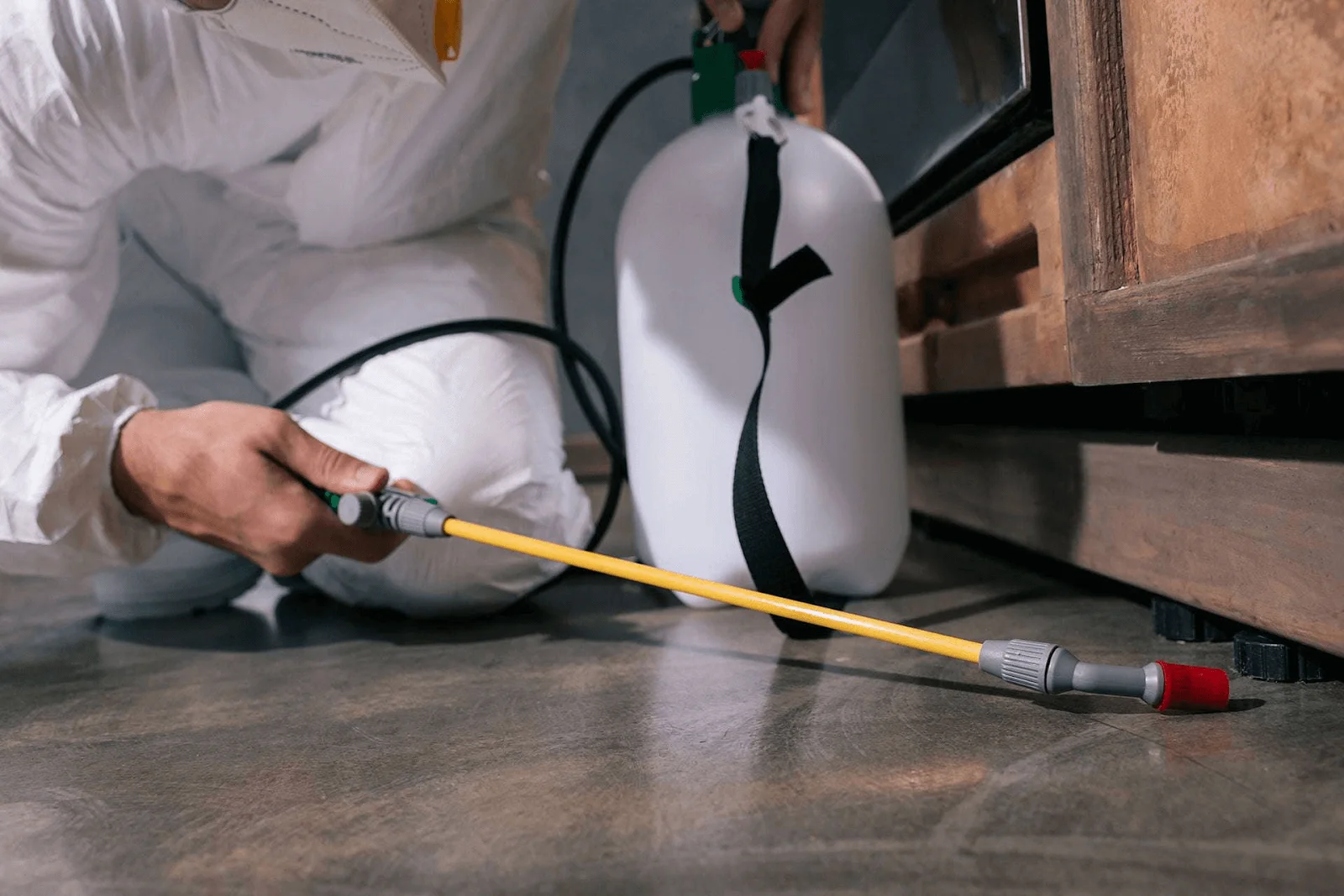
Room-by-Room Precautions Before Treatment
A few minutes of preparation makes a big difference. In the nursery, remove cot bedding, plush toys and any items your baby chews on; the technician will skip this room if asked or treat only the perimeter skirting. In the kitchen, clear bottles, sterilisers, dummies and baby food from benches and cupboard fronts. In the living area, pack away play mats and fabric toys. Bathrooms need baby baths and bath toys boxed up too. Anything porous or chewable should be sealed in a plastic tub for the day.
📖 People also read about:
How Long Should Babies Stay Out of Treated Areas?
For a standard internal spray, the recommended waiting period is two to four hours from application until surfaces are completely dry. Outdoor perimeter treatments don’t usually require keeping babies indoors. If your child has asthma, eczema or a known sensitivity, extending the wait to six hours and ventilating with open windows is a sensible step. Avoid mopping treated skirting for at least seven days so the residual barrier stays intact.
Spotting Signs of Accidental Exposure in Infants
Properly applied treatments rarely cause issues, but knowing the warning signs is worth a moment. Watch for skin redness or rash on hands and knees, watery eyes, persistent coughing or wheezing, and unusual drooling or vomiting after your baby has been on freshly treated areas. If any of these appear, rinse the affected skin with cool water and call the Poisons Information Centre on 13 11 26, available 24/7 across Australia. Save that number in your phone before any treatment.
📖 People also read about:
Eco-Friendly and Organic Pest Control Options
If you’d rather avoid synthetic chemicals altogether, ask about botanical-only treatments using pyrethrin, neem oil and essential oil blends. Heat treatments work for timber pests without any chemical residue. An Integrated Pest Management approach combines physical exclusion (sealing entry points), sanitation advice and targeted, lower-impact baiting only where genuinely needed. These options often suit families with newborns, multiple pets or chemical sensitivities.
💡 Need help?
We offer professional pest inspection to help you achieve your goals.
How TSD Pest Control Keeps Banora Point and Tweed Heads Families Safe
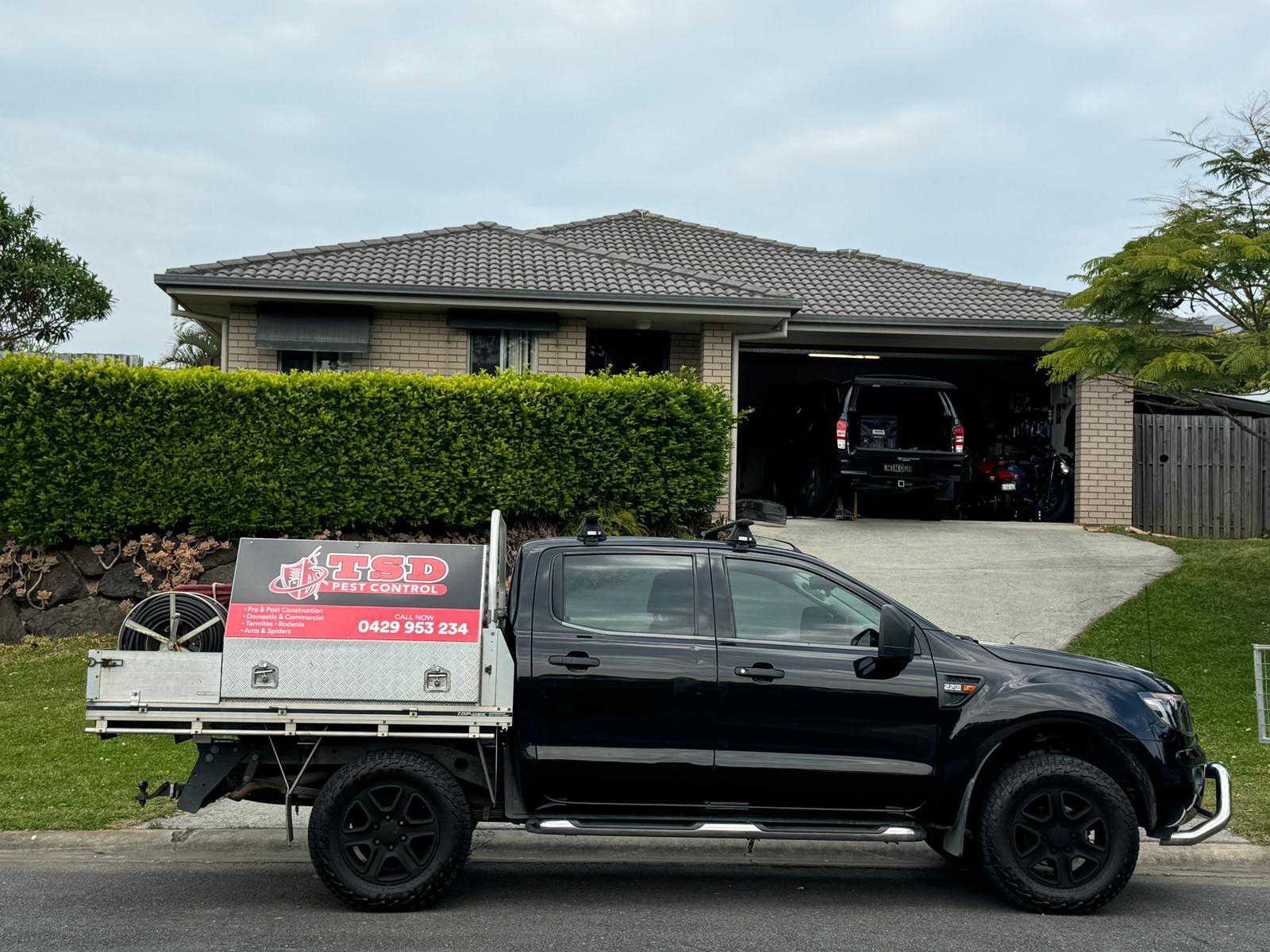
We’ve been treating local homes for over ten years, and a large share of our clients are young families. Every job starts with a chat about who’s in the home, including babies, pregnant mums, pets and anyone with health concerns. We then choose APVMA-registered, family-safe products and tailor application methods to your floorplan. After treatment you’ll get clear written guidance on re-entry times, ventilation and which surfaces to leave alone. Got pests? Let’s sort it without putting your little one at risk. Call 0429 953 234 or book a consultation today.