
You get a few days of heavy rain, the sun comes back out, and suddenly you cannot sit on the back deck without being bitten. If that sounds familiar, you are not imagining it. On the Tweed Coast, rain followed by warm, humid weather is the perfect recipe for a mosquito boom.
The good news is that a lot of the mosquitoes biting you were bred close to home, which means you can do something about them. After more than 10 years of pest control across Banora Point, Tweed Heads and the Tweed Shire, we find the same breeding spots in backyards time and again. Here is why rain makes things worse and what you can do to bring the numbers down.
Why Mosquitoes Get Worse After Rain
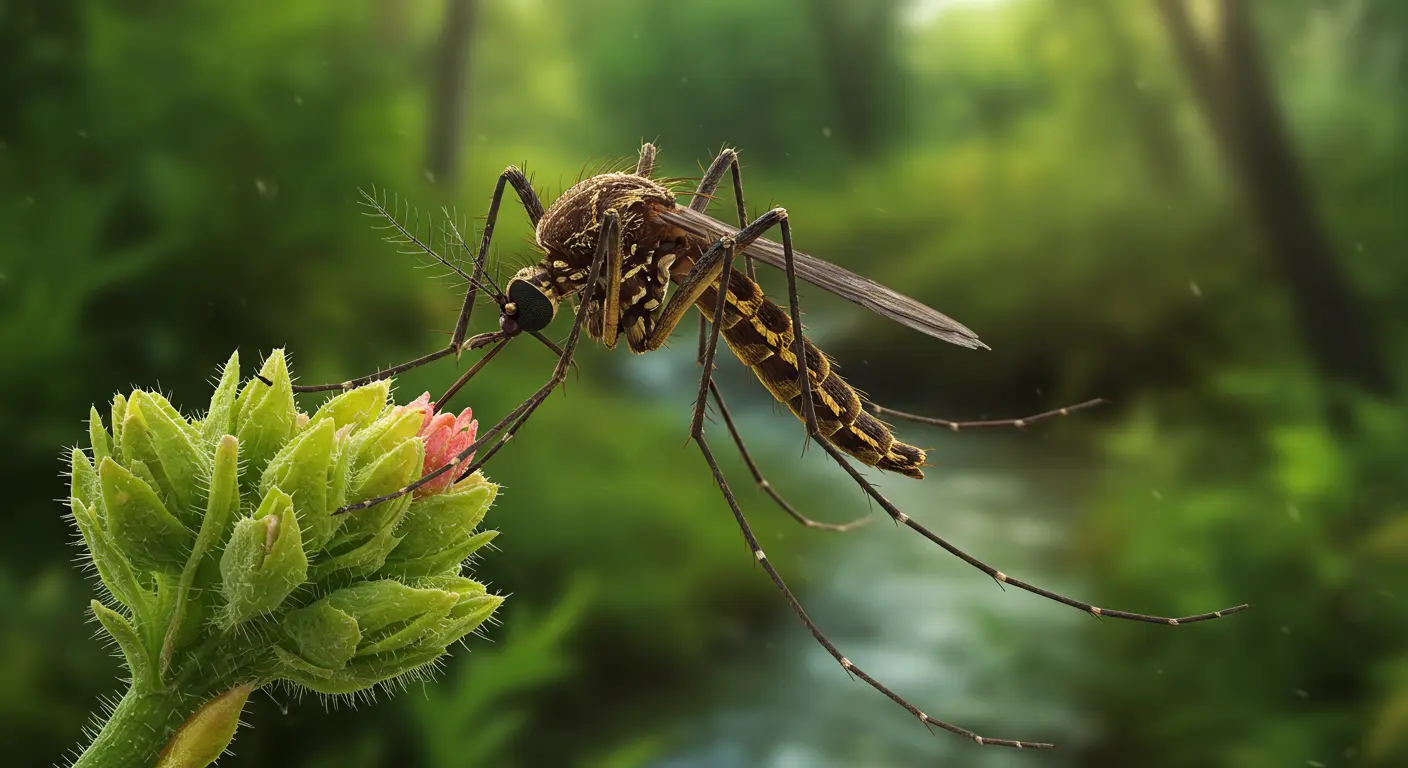
Mosquitoes need still water to breed. Rain fills up every container, dip and blocked gutter around your property, giving females plenty of places to lay eggs.
Some species go one step further. Their eggs are laid just above the waterline on damp surfaces and can sit dry for months. When rain raises the water level, those eggs hatch all at once. That is why you can see a sudden wave of mosquitoes after a big downpour, even in places that looked dry beforehand.
Warm weather then speeds everything up. In a Tweed summer, mosquitoes can go from egg to biting adult in about a week. A wet weekend can turn into a backyard full of mozzies by the following weekend.
Why the Tweed Coast Is Hit So Hard
Our local conditions make the problem bigger than in many other parts of Australia:
- Humidity keeps adult mosquitoes active for longer, especially at dawn and dusk.
- The Tweed River, creeks and wetlands provide large natural breeding areas close to homes.
- Saltmarsh and mangrove areas can breed huge numbers after rain combined with high tides.
- Lush gardens give adult mosquitoes shady, sheltered spots to rest during the day.
You cannot control the river or the wetlands, but you can stop your own yard from adding to the problem.
Where Mosquitoes Breed Around Your Home
Mosquitoes do not need much water. A bottle cap’s worth is enough for some species. These are the spots we most often find breeding after rain:
- Pot plant saucers and pots without drainage holes
- Blocked gutters and downpipes
- Buckets, wheelbarrows, kids’ toys and old tyres
- Tarps and pool covers that collect water
- Bird baths and pet water bowls that are not refreshed
- Bromeliads and other plants that hold water in their leaves
- Rainwater tanks with damaged or missing mesh screens
- Unused or poorly maintained pools and water features
Bromeliads are popular in Tweed gardens and often get overlooked. If you have a lot of them, flushing them with a hose every few days helps wash out larvae.
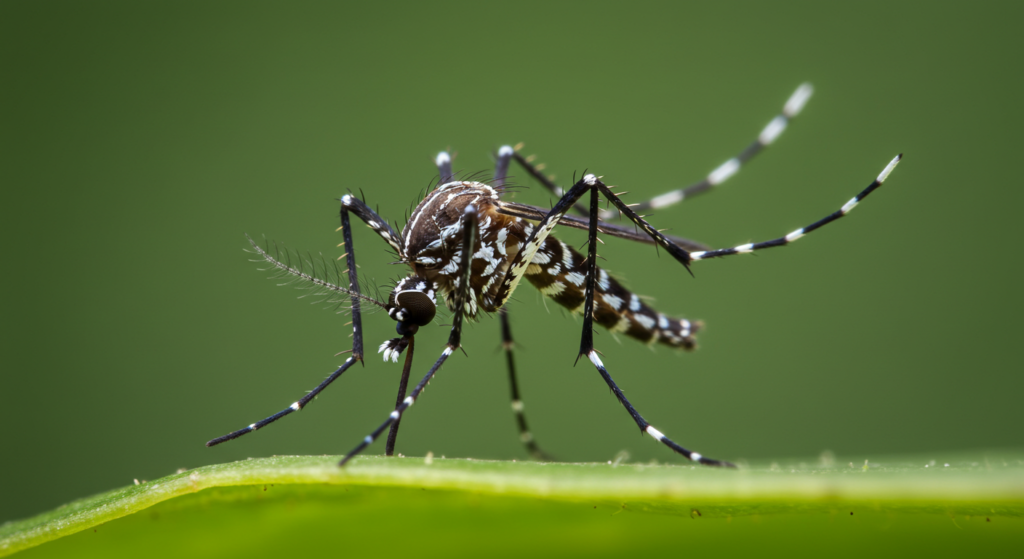
How to Reduce Mosquitoes Around Your Home
Tip and Toss After Every Rain
Walk around your yard within a day or two of rain and tip out anything holding water. Turn buckets and wheelbarrows upside down, empty saucers and store toys under cover. This single habit makes the biggest difference.
Keep Gutters Clear
Leaves and debris trap water in gutters, creating a breeding spot you cannot see from the ground. Clean them regularly, especially before the wet season.
Refresh and Treat Water You Want to Keep
Change bird bath and pet water at least once a week. Keep pools chlorinated and filtered. Check that rainwater tank inlets and overflows are covered with intact, fine mesh.
Make Your Yard Less Inviting
Adult mosquitoes rest in dense, damp shrubs during the day. Trimming thick plants near outdoor living areas and keeping lawns mown reduces the places they shelter. An outdoor fan on the deck also helps, because mosquitoes are weak flyers.
Protect Your Home and Family
- Check flyscreens on windows and doors for holes and gaps.
- Use a personal repellent when outside, especially at dawn and dusk.
- Wear loose, light-coloured clothing that covers your arms and legs.
- Keep doors closed in the evening when mosquitoes are most active.
Mosquitoes in our region can carry illnesses such as Ross River virus, so reducing bites is about more than comfort. If you or your family feel unwell after being bitten, see your GP.
Do Mosquito Sprays and Gadgets Work?
Many products promise quick results, but most do little on their own. Citronella candles only protect a small area, and bug zappers kill far more harmless insects than mosquitoes. Our article on mosquito myths covers which products are worth your money.
Removing breeding sites will always do more than any gadget. Where adult numbers stay high, a targeted treatment to the areas where mosquitoes rest can give you real relief.
When to Call a Professional
If you have cleared the obvious breeding spots and the mosquitoes are still making your yard hard to enjoy, it may be time for expert help. Our mosquito pest control in Banora Point and the wider Tweed area starts with an inspection to find hidden breeding sites in gutters, pot plants and water features. We then treat the resting areas around your property using methods that are safe around children and pets.
We will also point out anything around your home that is likely to keep breeding mosquitoes, so you know what to watch after the next downpour.
Book a Mosquito Treatment With TSD Pest Control
Rain will always bring mosquitoes on the Tweed Coast, but your backyard does not have to be their breeding ground. TSD Pest Control is fully licensed and insured, uses eco-friendly and pet-safe treatments, and offers same-day service across Banora Point, Tweed Heads and the Tweed Shire.
Tired of the post-rain buzz? Contact TSD Pest Control or call 0429 953 234 to book a mosquito treatment.