
Ever noticed how pests seem to turn up just when things feel damp and musty around the place? Where there’s moisture, pests follow – creating big headaches and health risks from what starts as a small drip.
Leaky taps, poor drainage, or humid corners invite termites, cockroaches, and silverfish quicker than you’d expect. They’re not just annoying – they breed fast, damage property, and slip into spaces you never thought to check.
Whether you own a home, manage units, or run a food business, moisture and pests don’t mix well. At TSD Pest Control, we help you keep things dry, pest-free, and fully protected with treatments made for your needs.
Understanding the Link Between Moisture and Pest Infestations
Where there’s moisture, pests aren’t far behind. Damp corners, leaky pipes, and poorly ventilated rooms create perfect hideouts for them. Whether it’s silverfish in the bathroom or termites near a damp wall, these uninvited guests show up without warning. Our team at TSD Pest Control focuses on spotting these patterns before things get out of hand, especially in high-moisture zones across Banora Point and Tweed Heads.
Why Damp Conditions Attract Pests
Pests love moisture like pets love treats. It’s not just the water that draws them – it’s the promise of food, warmth, and shelter in the same spot. Silverfish feed on starch found in books and paper, all within reach in a humid home. Termites thrive in damp wood. Even cockroaches multiply faster in warm, wet settings. At TSD, we’ve seen how quickly an unnoticed drip can turn into a full-blown infestation.
Humidity doesn’t just add discomfort – it fuels the pest population. High moisture levels break down wood, paper, and food faster, attracting bugs that feed or nest in decay. For termites, moist timber is an open invitation to start chewing. For cockroaches, moisture means breeding territory and safety. Even tiny surface water around pipes or behind dishwashers can fuel a colony.
Survival is a powerful motivator for pests. Moisture offers them hydration, encourages mould (which smaller insects feed on), and creates warmth in winter. These signals tell pests they’ve found a safe and fertile place to live. We’ve treated homes where pests stayed hidden for months just due to poor ventilation. Managing moisture promptly can keep things from getting out of control.
Common Areas Where Moisture Builds Up in a Home
Not every leak is obvious. Kitchens and bathrooms are top spots, as frequent water use often leads to hidden moisture. Under sinks, behind toilets, or around dishwashers – pests find it all. At TSD, we inspect these areas thoroughly, especially in older homes with aging plumbing installations that tend to crack and leak unnoticed.
Basements and crawlspaces tucked beneath homes might be forgotten, but pests remember them. They’re dark, rarely disturbed, and often damp from poor drainage or roof run-off. We’ve inspected homes in Pottsville where just one cracked roof tile caused enough moisture for a silverfish outbreak. Small changes can prevent big problems.
Leaky plumbing or blocked exterior drains may seem minor – until pests move in. Termites, in particular, gravitate towards consistent moisture. Fixing even the smallest leaks stops water buildup around the home and helps interrupt pest pathways. We often help clients with tailored moisture detection and repair advice to keep their homes protected.
Types of Pests Drawn to Moist Environments

Different pests are drawn to moisture in their own way, depending on how they eat, breed, or shelter. We’ve found everything from cockroaches under bathroom sinks to termites chewing through damp beams in poorly ventilated roofs. Knowing what you’re dealing with helps us at TSD Pest Control deliver treatments that go beyond the surface.
Insects Drawn to Damp Areas
Cockroaches love warm and wet, especially in kitchens and bathrooms. They hide in drains, under appliances, and inside stored boxes. At TSD, we see a direct link between cockroach size and how long moisture problems are left unattended. Removing the moisture breaks their breeding cycle entirely.
Silverfish thrive on dampness and feed on mould or starch-laced items like books and clothing. We’ve removed infestations in bathrooms where silverfish lived behind loose tiles near damp plasterboard. Their almost invisible nature makes early detection tricky, but our treatments lock in on these hiding spots.
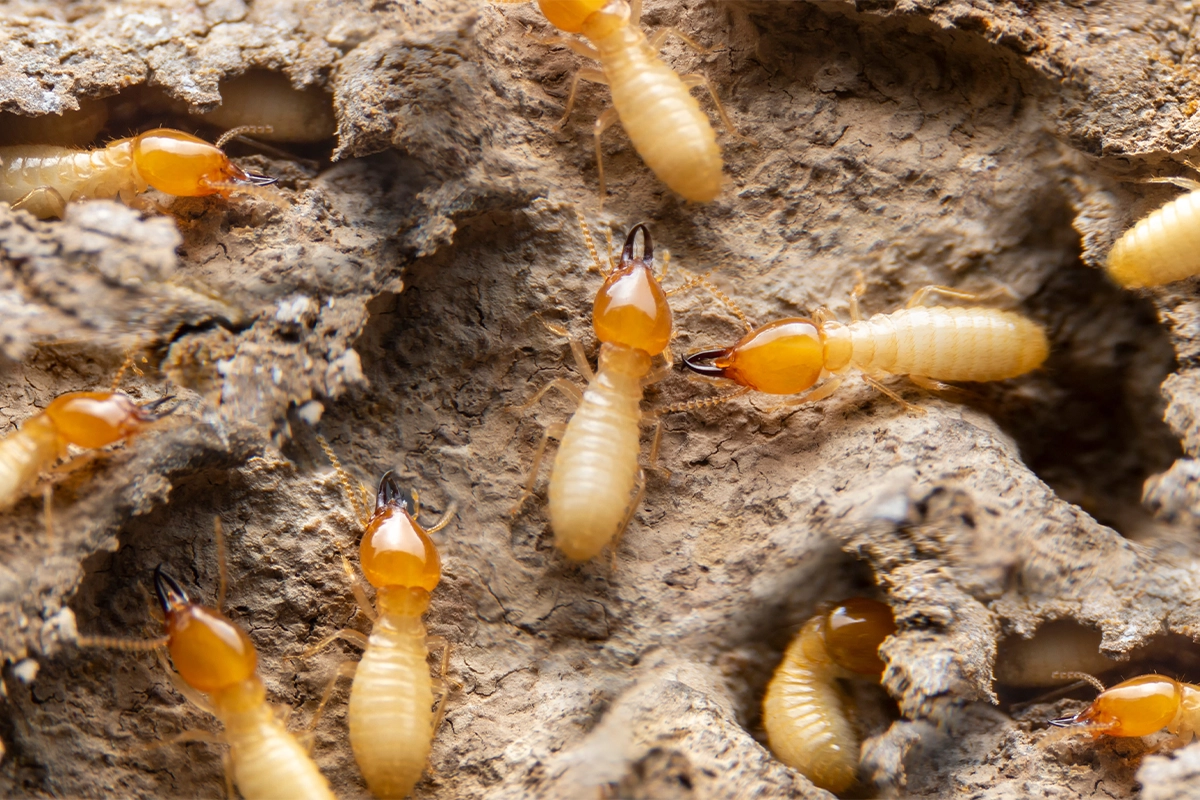
Termites don’t just eat wood – they prefer humid environments where cellulose is easier to digest. Moist foundation walls or damp soil near housing structures lead colonies right to your doorstep. Our technicians use advanced detection tools to trace even small hidden leaks that may lure termites inside.
Rodents and Other Creatures Attracted by Moisture
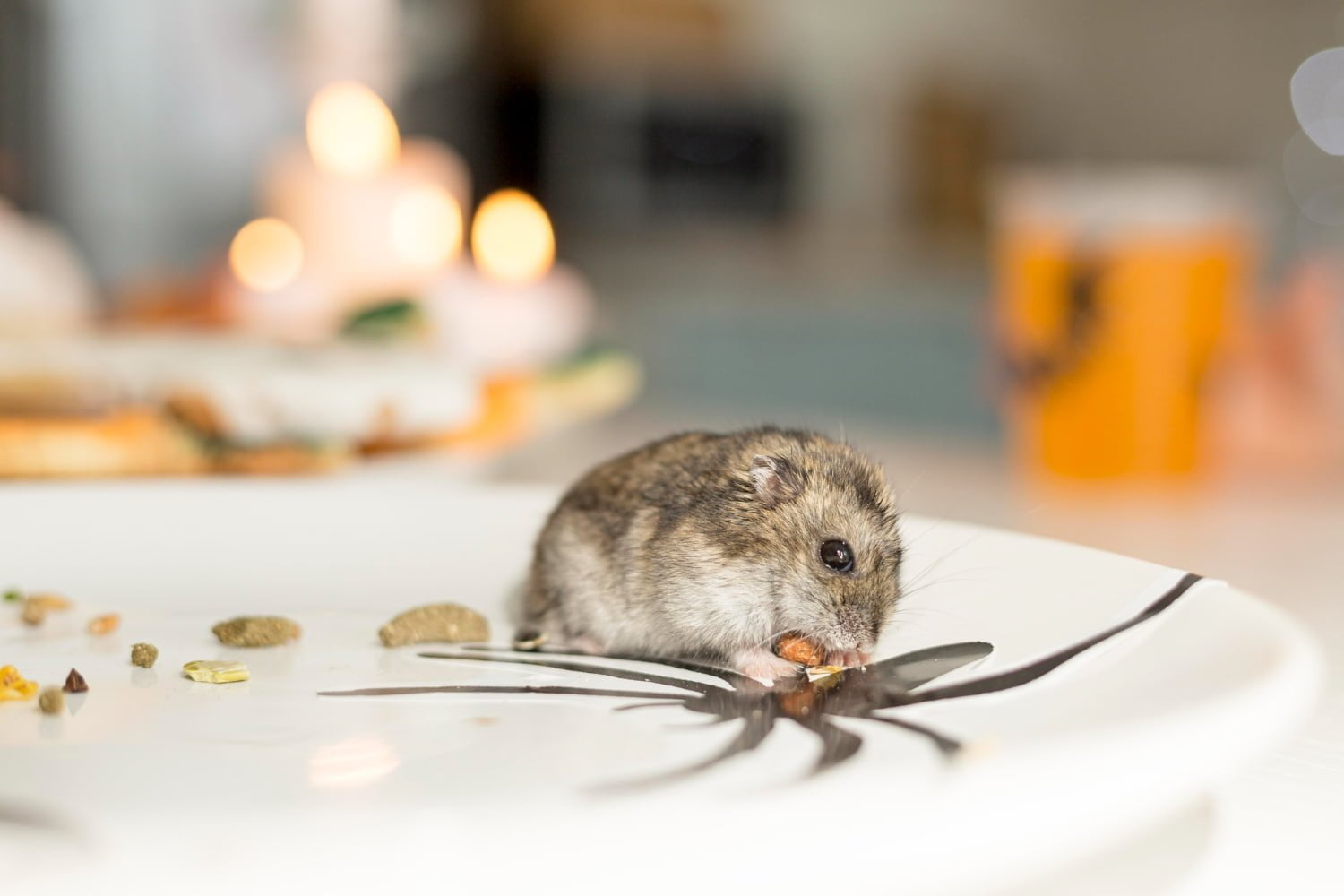
Rodents will move mountains for a water source. They often settle near plumbing leaks, dishwashers, or water tanks. We’ve seen mouse nests near bathtubs and rats burrowing beneath garden taps. At TSD, we combine pest control with moisture management to break the cycle at its root.
Fleas can thrive in humid homes, especially where pets sleep on carpeted floors. The heat and moisture trigger their hatching, kicking off an itchy problem. We’ve helped clients who were shocked that indoor humidity encouraged flea outbreaks all year round, not just summer.
Mouldy walls and musty air can also signal mites. These microscopic creatures feed on fungi and prefer damp ceilings, wardrobes, and unused rooms. Managing moisture keeps both mites and the mould they feed on under control. Many of our successful treatments in local homes started by fixing basic ventilation issues.
Early Signs and Health Risks from Moisture-Related Pests
Little signs often come before big problems. A faint smell, odd rustling behind a wall, or damaged skirting could all point to moisture-related pest activity. Our inspections at TSD aim to catch these clues early – before health and home suffer deeper consequences.
How to Detect a Moisture-Induced Infestation Early
The nose often knows first. A sudden musty smell, odd odour near plumbing, or strange scent behind panels can all suggest pests linked to moisture. We advise clients to pay close attention to wet smells that linger in closed spaces – they often lead to hidden infestations.
Unusual scratching or rustling behind walls might mean pests are nesting nearby. Rodents and cockroaches especially leave behind noise trails as they move through wet insulation or crawlspaces. Listening late at night when things are quiet can reveal their activity clearly.
We often get called after clients spot damaged baseboards, bubbling paint, or crumbling plaster. These signs indicate moisture damage, which in turn invites destructive pests like termites and silverfish. A quick inspection by our team can save months of future trouble.
Health Impacts and Structural Consequences
Moisture-loving pests are more than a nuisance – they can make you sick. Many trigger asthma, skin irritation, or breathing problems, especially in little ones or elderly residents. We’ve helped families across Pottsville regain clean air through pest treatments paired with improved airflow measures.
Mould and bacteria often follow the same path as pests – and feed off the same moisture source. Once these three combine, indoor air becomes unhealthy fast. Our technicians aim to stop this spiral by tackling damp zones thoroughly during every visit.
Over time, wetness eats away at your home’s skeleton. Timber warps, walls rot, and insulation crumbles – often caused by hidden pest activity behind wet surfaces. We’ve prevented thousands in repair costs by dealing with underlying leaks before full infestation sets in.
Preventing Moisture to Control and Avoid Pest Infestations

Stopping pests starts with stopping moisture. Dry homes don’t offer pests what they need to survive. At TSD Pest Control, we use both immediate pest treatments and long-term moisture control so problems don’t return. Prevention makes all the difference in our coastal humidity.
Moisture Control and Home Maintenance Strategies
Proper airflow keeps things from getting stuffy and wet. Open windows, use extractor fans, and let rooms breathe. In many homes, addressing poor air movement has solved pest problems without needing extensive sprays.
Fixing leaks inside and out is one of the fastest ways to keep a home dry. Roof leaks, broken pipes, or blocked gutters all invite pests quickly. We often advise clients during inspections to tackle these hot spots before anything else is done.
For homes in flood-prone areas like Tweed Heads South, using waterproofing or laying moisture barriers under floors can keep basements and under-houses dry. Many of our termite control jobs start with analysing how water is seeping into these areas unnoticed.
Managing Humidity Inside the Home
Dehumidifiers help a lot, especially in bathrooms and closed rooms without windows. Running them just a few hours per day in key zones can prevent infestations altogether. We’ve seen especially good results combining moisture reduction and non-toxic pest treatments.
A hygrometer makes humidity visible. This simple tool lets homeowners spot where the air gets too wet. We often recommend one during our visits, helping locals track their indoor levels and prevent spikes that pests love.
Your air conditioning settings matter. A smart thermostat setup can reduce condensation and stop wood from sweating. Our pest inspections include climate suggestions that match your exact space and usage patterns for year-long protection
Moisture-Prone Seasons and Weather Conditions
Some seasons make your home a magnet for moisture. Hot summers and rainy winters affect pest behaviour in entirely different ways. At TSD, we often plan follow-up visits around weather changes to keep local homes ahead of seasonal activity.
Seasonal Triggers that Elevate Indoor Moisture
Rainy days drive pests inside. They search for dry and warm shelters – your kitchen, garage, or laundry room. During inspection season in June and July, we help homes prepare for this influx by sealing gaps and improving indoor dryness.
Storms and flooding shake up pest pathways. Rodents and cockroaches often relocate into homes after their nests get washed away. We planned targeted treatments post-floods followed by drainage fixes, to reduce recurring problems.
Summer humidity pushes moisture into roofs and walls. In winter, condensation builds up on cold surfaces, which can fuel mould and pest attraction. Our seasonal tips help locals adjust based on these changes before pests take notice.
Adjusting Home Habits Based on Weather
Letting bathrooms and kitchens breathe daily reduces trapped moisture. Simple acts like keeping doors open and running an extractor fan help fend off mould and the bugs it draws. We share these low-cost tricks during every treatment visit.
Weatherproofing cracks and sealing stonework outside can block water during wet weather. Even plastic strips on windows and foam for door gaps can cut down on indoor dampness significantly. We’ve helped dozens of clients apply these to their coastal homes with great success.
Balancing indoor heat plays a role too. Keeping spaces warm without overdoing it avoids indoor sweating and condensation. Our moisture-prevention plans can even sync to your HVAC use – we’re happy to advise on settings tailored to your space.
Professional Pest Control and Moisture Management

Sometimes, DIY just doesn’t do the job. That’s when expert moisture and pest control step in. At TSD Pest Control, we’ve spent over 10 years helping local families handle pest problems triggered by leaks, damp rooms, and changing conditions.
When to Seek Expert Advice
If pests return after sprays or traps, the core moisture problem is likely still there. We help detect those hidden triggers with inspections targeted around humidity hotspots. Our technician Trae often spots issues clients never noticed themselves.
A full pest + moisture audit through TSD includes imagery, written reports, and customised plans. These help you understand your risks clearly. And it often comes with quotes and follow-up advice, ensuring there’s no pressure, just answers.
In high-risk homes, we apply commercial-grade waterproofing and pest barriers that lock out moisture-loving bugs. Our treatments cover homes that back onto creeks, face ocean winds, or sit low in flood zones.
Integrated Pest and Moisture Control Programs
Our treatments don’t stop at spraying. We start by fixing what attracts pests: damp, dark, warm spaces. From sealing gaps to advising on airflow, we help dry out your home for the long term.
We combine eco-friendly options like borate wood treatments with safe non-chemical barriers. These suit homes with pets or small children needing extra care. It’s effective and safe, in one solid plan.
Ongoing visits and monitoring tools help us stop problems from returning. Whether it’s a termite bait system or a ventilation check – we set up long-term protection that lasts across seasons.
When the Damp Sets In, the Uninvited Guests Start Arriving
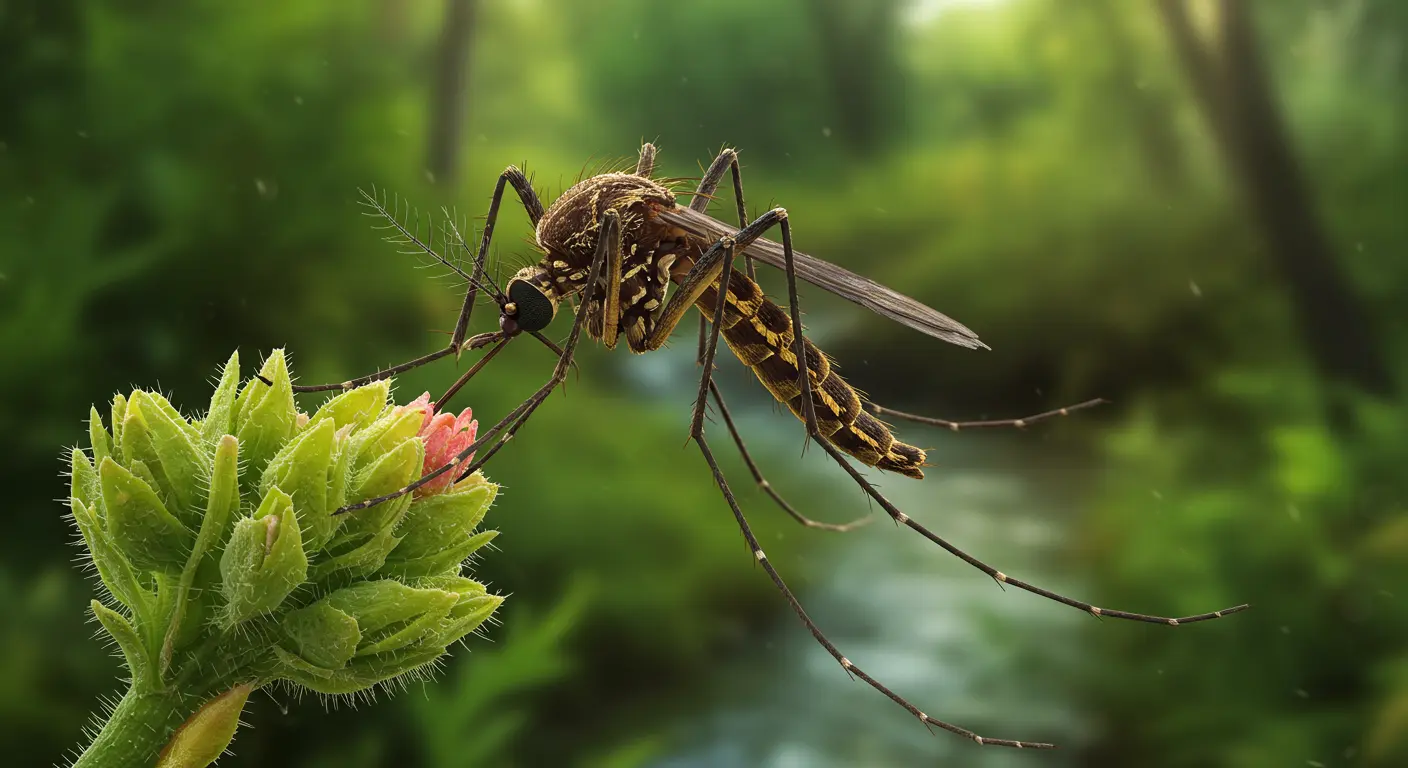
It starts subtly – maybe a musty smell in the hallway or condensation near the windows. But before long, you’re swatting at mosquitoes, spotting silverfish, or seeing cockroaches dart across the bathroom tiles. That lingering moisture isn’t just uncomfortable – it’s a welcome mat for pests who thrive in damp, dark places.
Keeping the inside of your home dry and well-ventilated can stop most infestations before they begin. A good eye for leaks and steady airflow go a long way. But if things have already taken a turn, expert help makes all the difference in clearing them out for good.
At TSD Pest Control, we understand how persistent pests can become when moisture gets involved. Let us tackle the root cause and keep your space pest-free – reach out for a reliable solution today.
Frequently Asked Questions
Moisture can get into your home through leaky roofs, cracked or broken pipes, and poor ventilation in tightly sealed rooms. It can also rise from the ground if there’s no proper moisture barrier beneath your flooring.
Many pests are drawn to warm, damp environments. They can sense the humidity in the air and follow it in search of food, water, or shelter. Once they find a moist spot, they tend to stick around.
Yes, termites love damp timber. Moisture softens the wood, making it easier to chew through, and also helps them stay hydrated in underground nests. Keeping timber dry is a key step in keeping termites away.
Open windows for airflow, use fans or a dehumidifier to quickly lower humidity, and regularly dry off wet areas. It's also smart to check for hidden leaks, especially under sinks or appliances, at least once a week.
Both have their place. Waterproofing is ideal for basements and external-facing walls, while dehumidifiers are great for enclosed rooms or during humid seasons. Using both together often gives the best protection.
Inspect areas under sinks, near rooflines, around windows, and in crawlspaces every few weeks. Look for peeling paint, soft or damaged wood, or musty smells, all of which could signal hidden moisture problems.
Trae
TSD Pest Control is a locally owned pest management business based in Banora Point, serving Tweed Heads and the wider Northern NSW region. Its technicians are licensed and carry out inspections and treatments across homes and businesses — covering termites, ants, cockroaches, spiders, rodents and more — and write these guides to help local property owners manage the pests common to the Tweed Coast.