
You walked out to the backyard after a few days of rain and the lawn looks like it has been peppered with tiny volcanoes. Little cones of loose soil, scattered across the grass, sometimes dozens of them. If that sounds familiar, you are almost certainly looking at funnel ant nests, and they are one of the most common lawn complaints we hear from homeowners across Tweed Heads and the wider Tweed Coast.
The good news is that funnel ants are not out to hurt you. The frustrating part is that they quietly wreck a good lawn, and they rarely leave on their own. Here is how to know what you are dealing with.
How to tell it is funnel ants
Funnel ants spend almost their whole life underground. After rain they push soil up to the surface to dry out and ventilate their tunnels, which is why the mounds seem to appear overnight. Each little cone is the entrance to a nest below.
A few signs that point to funnel ants rather than something else:
- Cone or crater-shaped mounds of fine soil, usually after wet weather
- Mounds appearing in clusters across the lawn, not one in isolation
- Soft, spongy or uneven ground when you walk across the affected area
- Patches of grass thinning or dying for no obvious reason
- The mounds keep coming back after you rake or mow them flat
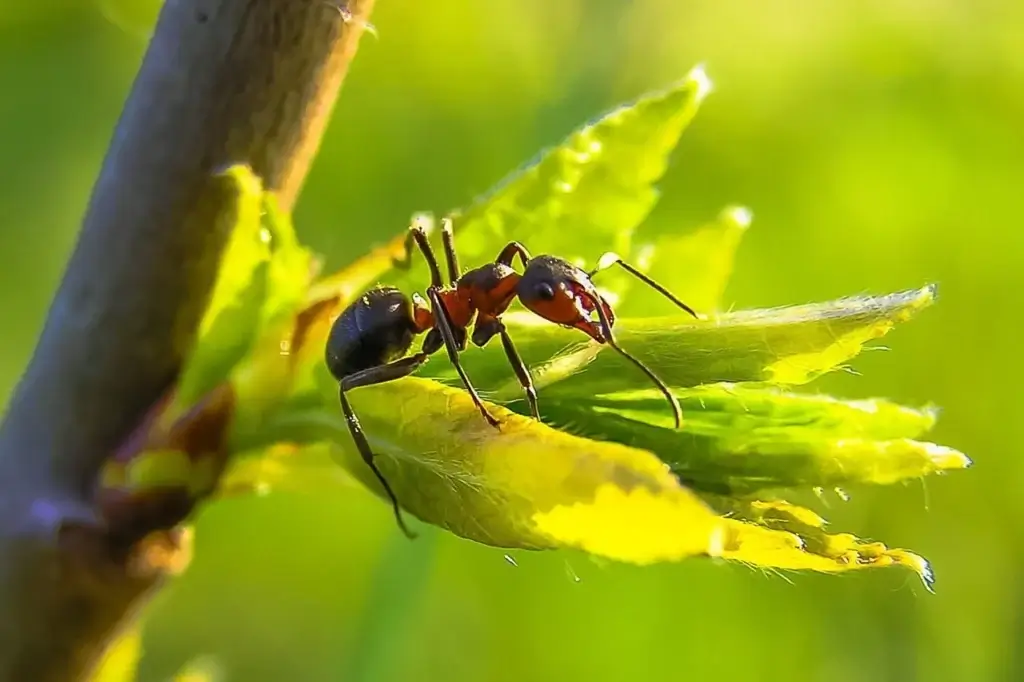
The ants themselves are small and tan to mid-brown, and you may not see many of them at all, since they forage below ground.
Is it funnel ants or something that bites?
This is the question most parents and pet owners ask first, and it is a fair one. Funnel ants are a nuisance pest, not an aggressive one. They do not swarm or sting people the way fire ants do.
That distinction matters. Fire ants build mounds with no clear opening and react aggressively when disturbed, boiling out of the nest like a kettle, and they are a notifiable pest in our region. If you disturb a mound and ants pour out and sting, stop, keep children and pets clear, and have it identified properly rather than treating it yourself. When we attend a property for ant pest control in Tweed Heads, the first thing we do is identify the ant, because the wrong treatment on the wrong one wastes your time and money.
What funnel ants do to your lawn
The mounds are only the part you can see. Underneath, the colony is digging an extensive network of tunnels, and that is where the real damage happens.
The lawn problem with funnel ants is not on the surface. It is the hollow, undermined soil sitting underneath it.
Three things tend to happen. The excavated soil smothers small patches of grass and blocks sunlight, so those patches yellow and die. The tunnelling leaves the ground soft and uneven, which is how you end up rolling an ankle or scalping the turf with the mower. And the constant activity stresses the grass roots, so the lawn struggles to bounce back even where it still looks green.
Why DIY rarely fixes it
Plenty of homeowners try a hardware-store spray on the mounds first, and it is easy to see why. By the time most of them call us, they have already done it two or three times and watched the mounds come straight back. The trouble is that a surface spray only reaches the ants near the opening. The colony, the queens and the bulk of the nest sit well below, often more than half a metre down, so the visible mounds are back within days.
Funnel ant colonies are also stubborn breeders, and each mound can run to its own queen. That is why a knockdown product buys you a quiet week and then the lawn is dotted again. Lasting control means treating the colony underground with a product that carries through the nest, which is the approach we walk through in our guide on how to get rid of funnel ants. If you are weighing up the spend, our funnel ant treatment cost guide breaks down what a job runs.
Funnel ant FAQs
Why have funnel ants suddenly appeared after rain?
Rain forces the ants to excavate and ventilate their nests, pushing fresh soil to the surface. The colony was most likely there for a while. The wet weather just made it visible.
Will my lawn recover after treatment?
Usually yes. Once the colony is dealt with and the mounds stop reforming, a healthy lawn fills back in. Keeping the turf well fed and watered helps it close over the bare patches faster.
Are funnel ant treatments safe around kids and pets?
The products we use are safe for family and pets once dry. We talk you through re-entry times before we treat.
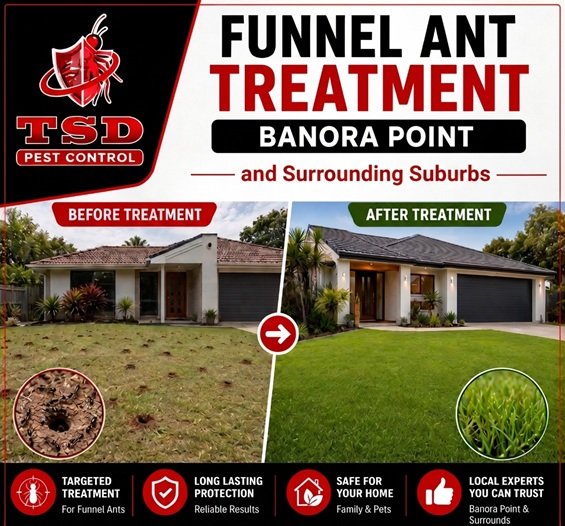
If your lawn has started sprouting these little mounds and you would rather not play whack-a-mole with it all season, book an inspection with our Tweed Coast team and we will identify what is there and sort it properly.