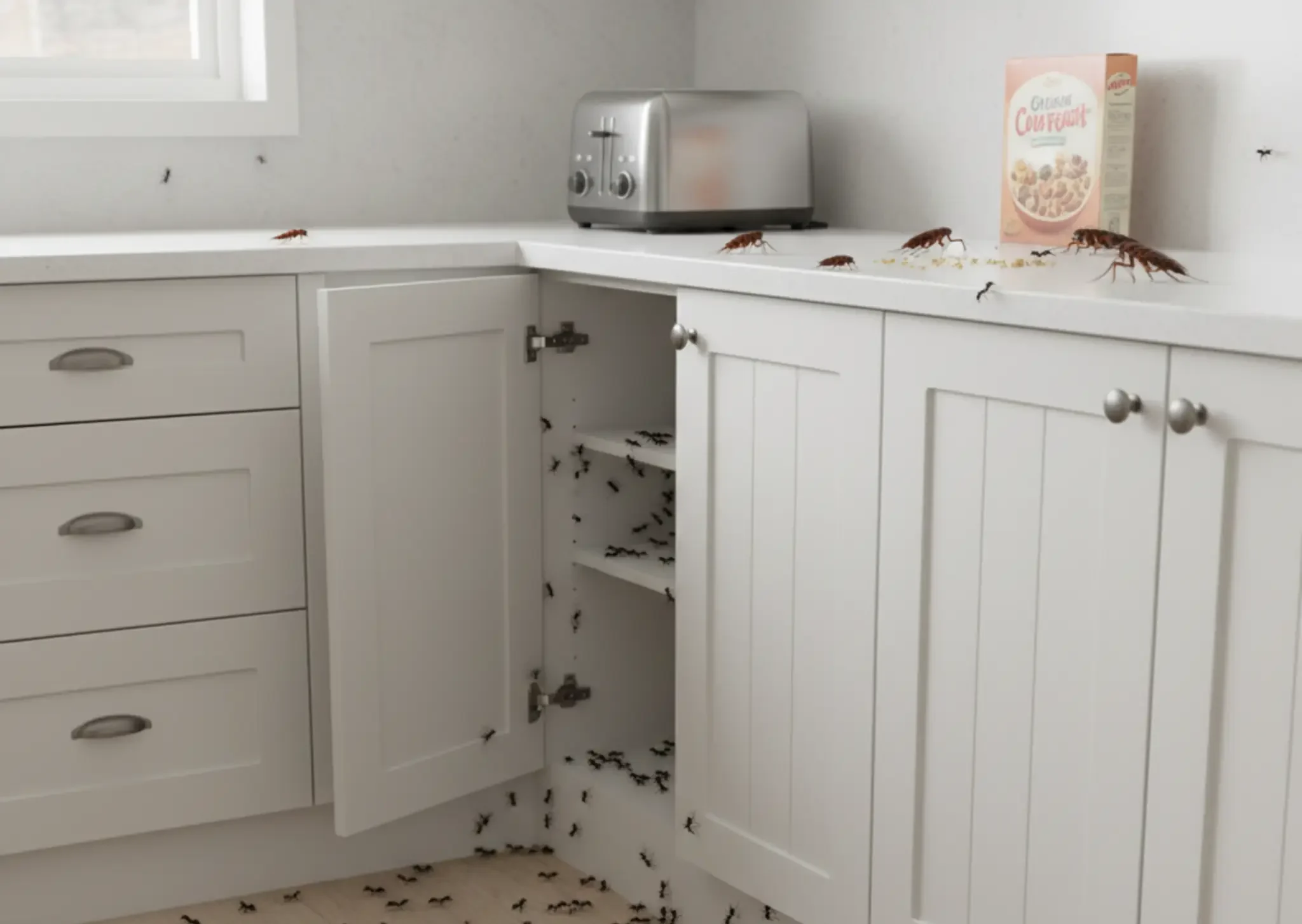

You’ve just had professional pest control service, your home feels fresh, and you’re confident the flea problem is finally behind you. But within days or weeks, you notice the unmistakable signs again: itchy bites on your ankles, your pet scratching relentlessly, or tiny black specks jumping across your carpet.
If this sounds familiar, you’re not alone. Many homeowners across Banora Point, Tweed Heads, and the Northern Rivers region experience the frustration of fleas returning after treatment. But here’s the good news: it doesn’t mean the treatment failed. Understanding why fleas come back is the first step to achieving a truly pest-free home.
The Flea Life Cycle Explained
Fleas don’t just exist as the biting adults you see on your pets or ankles. They go through four distinct life stages: egg, larva, pupa, and adult. Each stage plays a role in why fleas can seem impossible to eliminate with a single treatment.
Adult fleas lay eggs that fall off your pets and scatter throughout your home—into carpet fibres, between floorboards, under furniture, and in pet bedding. Within days, these eggs hatch into tiny larvae that burrow deep into carpets and cracks, feeding on organic debris like skin flakes and flea droppings.
After about a week, the larvae spin protective cocoons and enter the pupal stage. Here’s where things get tricky: pupae can remain dormant inside their cocoons for weeks or even months, waiting for the perfect conditions to emerge as hungry adult fleas.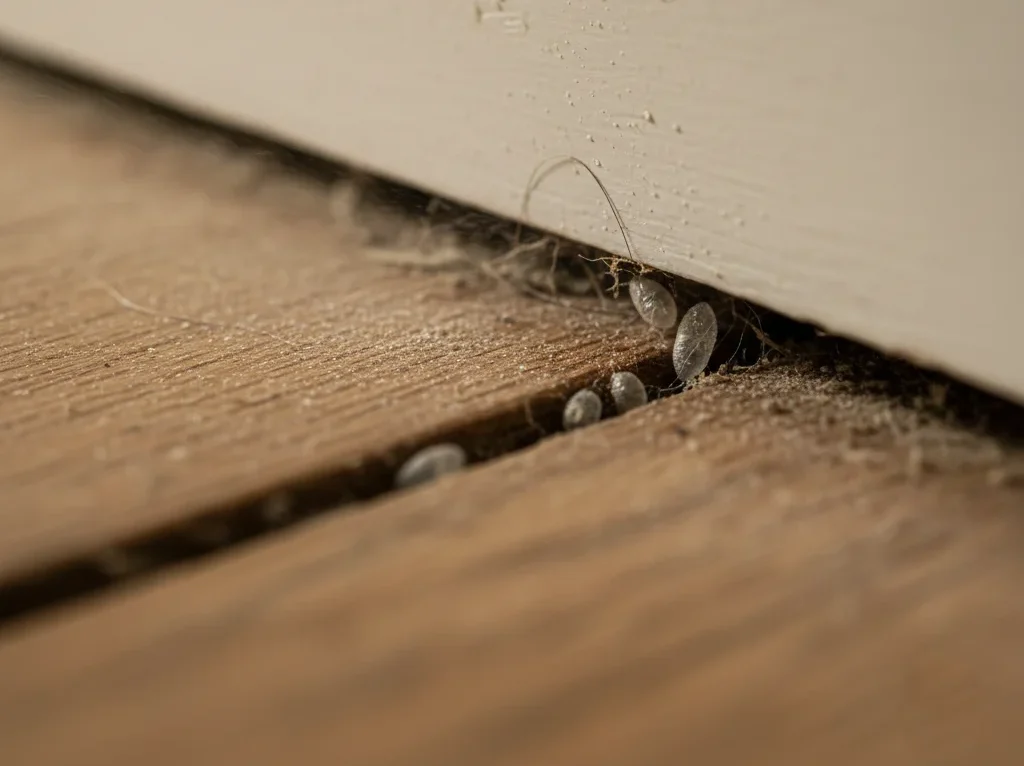
Why One Treatment Isn’t Always Enough
When pest control professionals treat your home, they target adult fleas and larvae with professional-grade insecticides. These treatments are highly effective at killing the active flea population on-site. But the pupae tucked safely inside their cocoons are remarkably resistant to chemical treatments.
Think of the cocoon as a protective shield. Insecticides simply cannot penetrate this barrier, meaning pupae survive the initial treatment and continue developing. This is perfectly normal and expected in professional pest control.
Within days or weeks after treatment, these protected pupae detect vibrations from foot traffic, warmth from your body, and carbon dioxide from your breath. These signals tell them a host is nearby, triggering a mass emergence of newly hatched adult fleas.
This is why you might see fleas return 7 to 14 days after your first treatment, even though the technician did everything correctly. You’re not experiencing a new infestation—you’re simply seeing the next generation emerge from their dormant state.
The Science Behind Dormant Pupae
Flea pupae are survival specialists. Research shows they can remain dormant for up to 12 months in ideal conditions. During this time, they require no food and are virtually immune to environmental stressors, including most insecticides.
This dormancy is an evolutionary advantage that allows fleas to survive periods when no hosts are present. It’s also why vacant properties often have sudden flea outbreaks when new tenants move in. The previous occupants may have moved out weeks ago, but their pets left behind a legacy of dormant pupae waiting in the carpet.
Professional pest control treatments include residual insecticides that continue working for weeks after application. As pupae hatch into adults, they come into contact with these residual chemicals and die before they can reproduce. But because pupae emerge gradually over time, multiple treatments are often necessary to break the complete life cycle.
What to Expect After Your First Treatment
After your initial flea treatment, it’s normal to see some flea activity for up to three weeks. This doesn’t mean the treatment failed. In fact, seeing fleas during this period is a sign that the treatment is working—it’s forcing dormant pupae to hatch into an environment treated with residual insecticides.
You may notice fleas seem more active immediately after treatment. This happens because the chemicals irritate adult fleas, causing them to move around more before they die. Your pets might also seem more bothered by fleas during this time.
The key is patience and proper follow-up care. Continue vacuuming regularly (every 2 to 3 days) to remove dead fleas, eggs, and larvae. The vibrations from vacuuming also stimulate pupae to hatch, exposing them to the residual treatment. Always dispose of vacuum bags immediately after use.
Keep your pets on a vet-approved flea prevention program throughout the treatment period. This prevents any surviving fleas from using your pets as a refuge and restarting the infestation cycle.
How TSD Pest Control Ensures Complete Elimination
At TSD Pest Control, we’ve been protecting homes across Banora Point, Tweed Heads, and the Northern Rivers for over a decade. We know that effective flea control requires more than a single spray and dash.
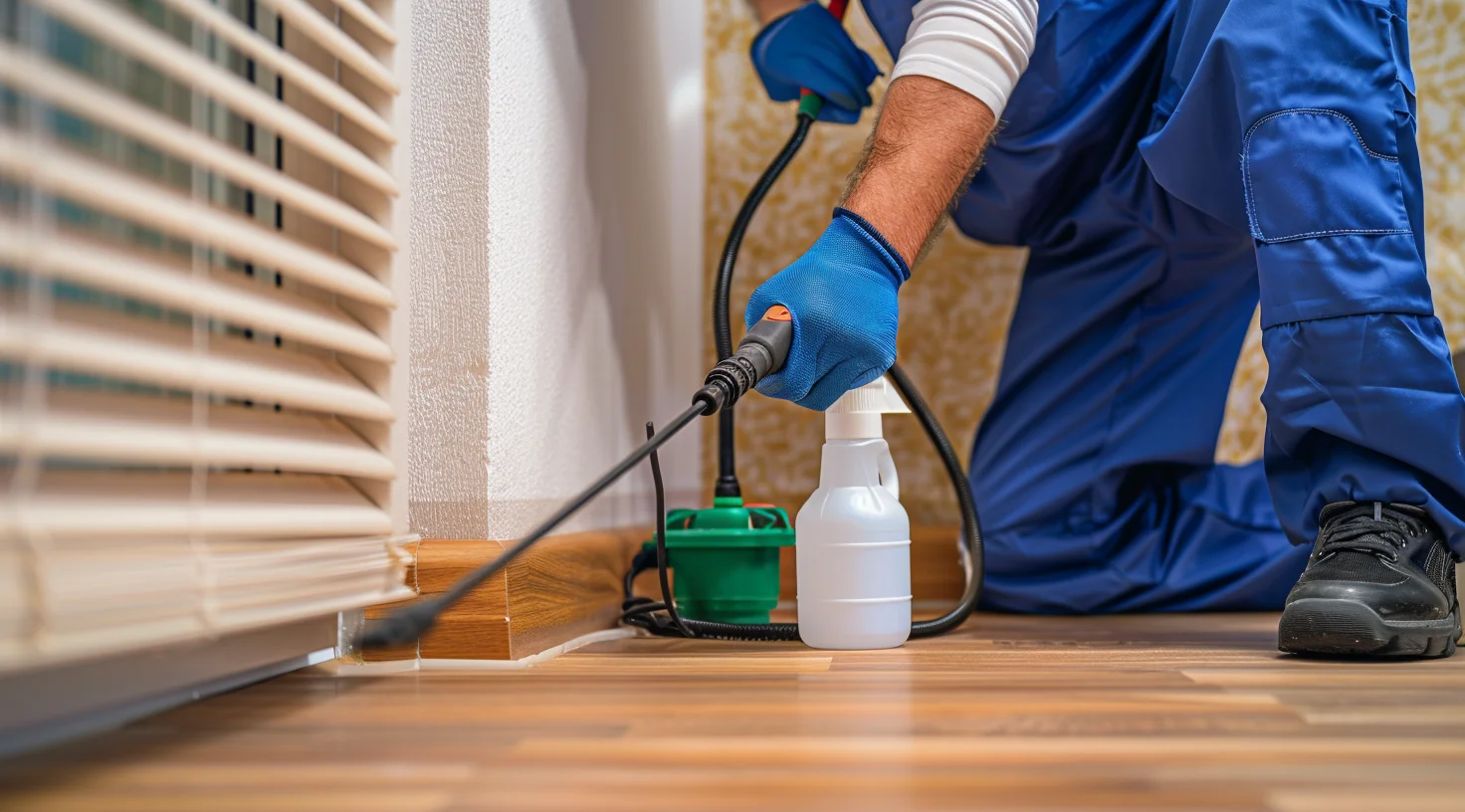
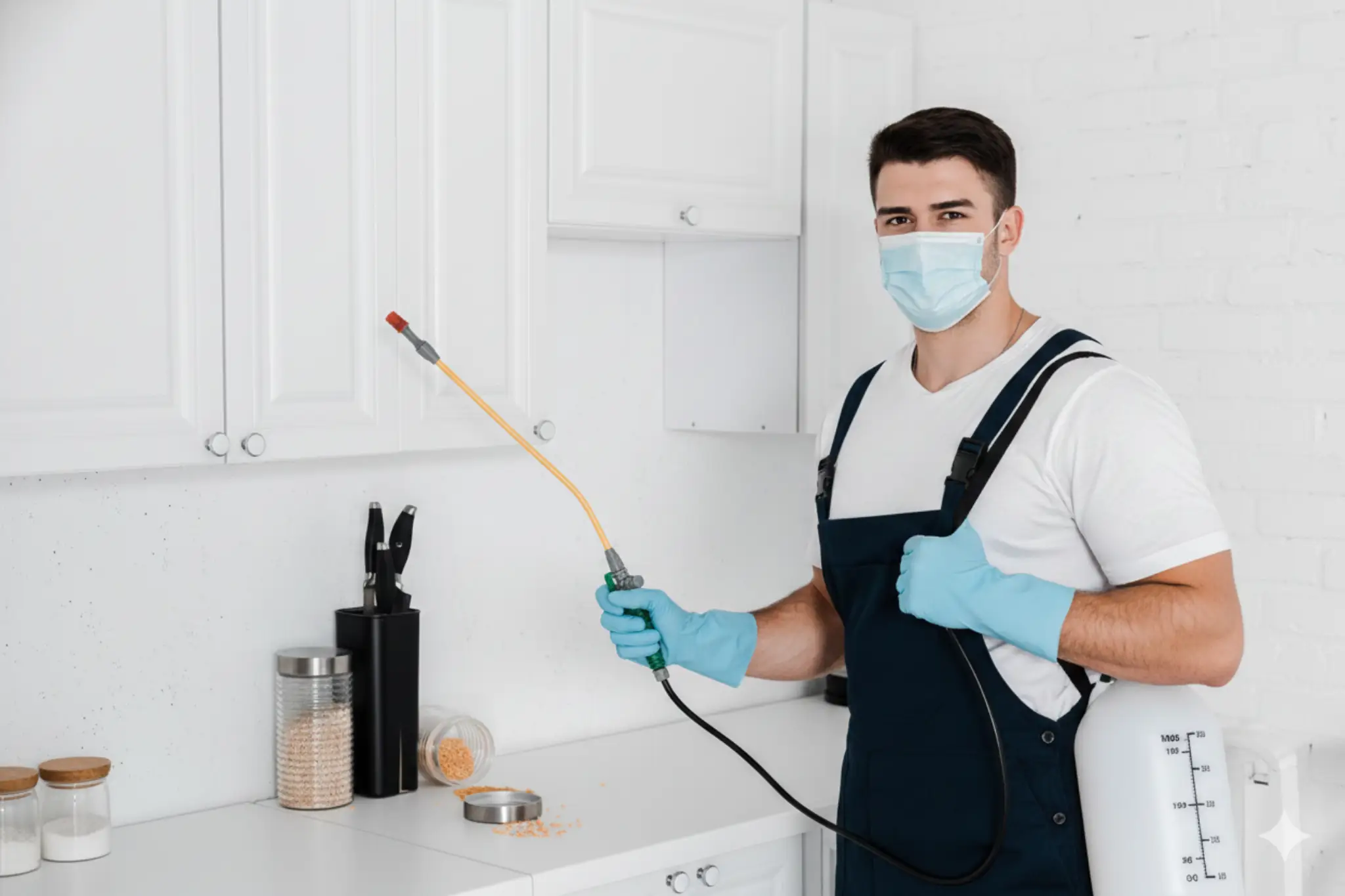
Our comprehensive flea treatment program targets fleas at every life stage. We apply professional-grade insecticides with extended residual action to all affected areas, including carpets, hard floors, skirting boards, and potential harbourage sites. We also give you detailed pre-treatment preparation guidance to maximise effectiveness.
We schedule strategic follow-up treatments at the two-week mark. This timing matters—it allows the first wave of pupae to hatch and be eliminated while catching any remaining cocoons before they reach reproductive maturity.
We also educate our clients on post-treatment care, including vacuuming schedules, pet treatment protocols, and prevention strategies. Our goal isn’t just to eliminate your current infestation—it’s to help you maintain a flea-free home long-term.
Your Flea-Free Home Starts Here
Fleas returning after a single treatment is frustrating, but it’s a biological reality, not a treatment failure. The key to success is knowing the flea life cycle and working with professionals who use strategic, multi-visit approaches.
Don’t let fleas disrupt your comfort any longer. TSD Pest Control delivers fast, effective, and eco-friendly flea treatments tailored to the unique challenges of Northern NSW homes. Our local team provides same-day service, transparent pricing, and treatments that actually work.
Ready to break the flea cycle for good? Contact TSD Pest Control today for expert flea treatment in Banora Point and Tweed Heads. Let’s make your home pest-free and keep it that way.