
Summer in Australia brings warm days, outdoor fun and, naturally, an increase in spider activity. The quickest way for families to stay safe is to keep living areas tidy, seal common entry points and remain aware of the species that are most active during the hotter months. By taking simple and consistent steps, you can greatly reduce the chance of unwanted encounters around your home.
Why does spider activity increase in summer
Spiders become more visible during summer because the temperature and humidity support faster breeding and increased movement. Many species search for food and shelter inside homes, sheds and garages. Families often notice them when doors and windows are left open or when outdoor equipment is stored without checking.
The goal is not just to avoid spiders but to prevent situations where they settle in places where children or pets might reach. Awareness and routine checks make a significant difference during the warmer season.
Keep your home tidy and reduce hiding spots
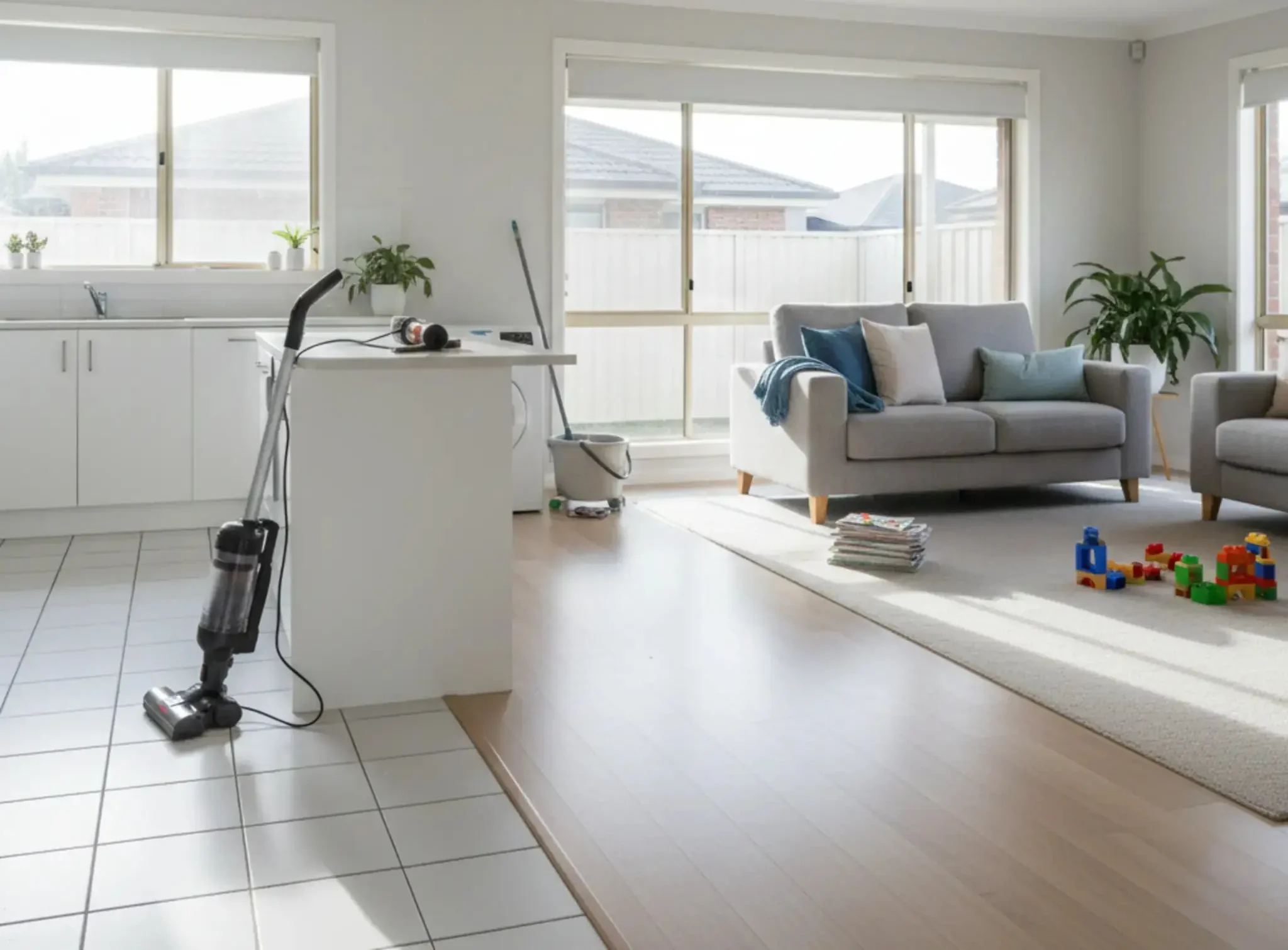
Clutter allows spiders to hide easily. When toys, shoes or laundry are left in corners, spiders may settle unnoticed. A simple habit of picking up loose items, shaking out shoes before wearing them and encouraging kids to keep rooms tidy can reduce risks.
Vacuuming more often during summer helps remove webs and eggs before they grow into larger populations. Pay attention to corners, behind furniture and under beds. Outdoors, remove piles of leaves, old cardboard boxes, unused timber and long grass, as these areas attract insects that spiders feed on.
Seal easy entry points
Many spiders enter homes through small gaps that often go unnoticed. Families can reduce entry by checking door seals, flyscreens, window frames and cracks around walls. Applying a basic sealant or replacing damaged screens keeps spiders outside where they belong.
Be sure to close doors during the evening when spiders are more active. If you have sliding doors, clean the tracks regularly because debris can create small spaces for spiders to enter.
Understand common summer species
Australia is home to many spider species, and although most are harmless, some can cause painful bites. Understanding the common types helps families respond correctly.
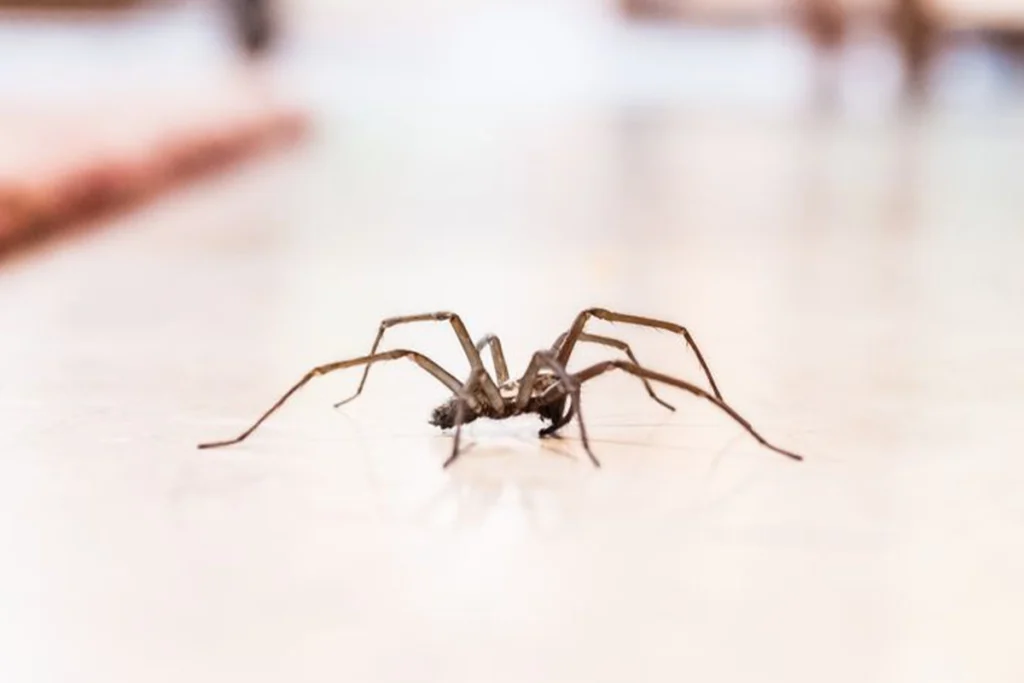
Huntsman spiders: Large and fast. They look intimidating but are generally not aggressive. They may enter homes seeking cooler spaces.
Redback spiders: Usually found outdoors in sheltered areas such as garden furniture, letterboxes and under steps. They prefer dry, undisturbed spaces.
White-tailed spiders: Often found indoors. Their bites may cause irritation for some individuals.
Wolf spiders: Found outdoors in gardens or lawns. They usually avoid people but may wander inside.
Recognising these species helps families assess risk and decide when to involve professionals.
Safe behaviour for children
Teaching children simple habits makes a big difference during the summer. Kids should avoid picking up toys left outside overnight without checking them first. They should also know not to poke fingers into holes, pot plants or shoes left outdoors.
Encourage children to tell an adult immediately if they see a spider rather than trying to handle it. This keeps everyone safe and avoids unnecessary panic.
Outdoor areas that need attention
Gardens and outdoor living areas are high-traffic places in summer. Families often sit outside, use the barbecue or relax near the pool. These areas need regular checks.
- Inspect outdoor furniture before use
- Shake out towels left near pools
- Check play equipment, trampolines and sandpits
- Keep garden beds trimmed and avoid overgrowth
- Store shoes and gardening gloves indoors
If you keep firewood, store it off the ground and away from the house. Firewood piles attract insects, which then attract spiders.
Pets and spider safety
Pets may disturb spiders while exploring gardens or chasing movement. Checking pet bedding, toys and feeding areas reduces the chance of an unexpected bite.
If your pet shows sudden swelling or unusual behaviour after being outdoors, contact your vet promptly.
When DIY steps are not enough
Regular cleaning and careful habits reduce risks, but some homes still experience repeated spider problems during the summer. This often happens in older homes with gaps or properties near bushland.
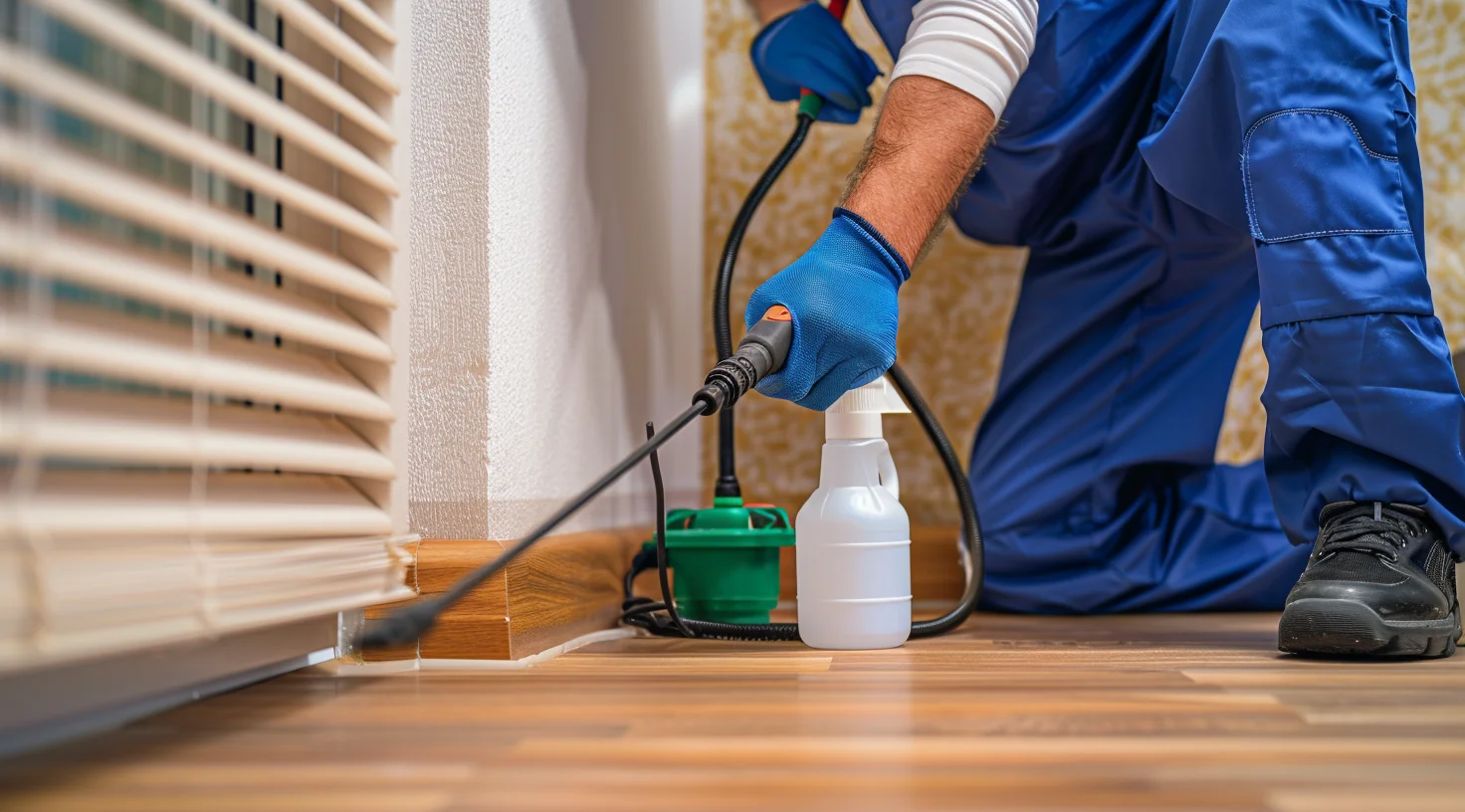
If you find spiders frequently or discover redbacks in several locations, it may be time for professional support. A licensed technician can treat key areas safely and provide guidance on preventing infestations.
For families wanting reliable help during the summer months, TSD Pest Control offers safe and family-friendly options designed to reduce spider activity around your home.
The importance of a routine
Spider safety is easier when families follow a routine rather than reacting only when spiders appear. A simple checklist every two weeks can help:
- Shake out shoes, hats and sports gear
- Clear the corners of the webs
- Inspect outdoor play areas
- Check bins, BBQs and storage boxes
- Trim vegetation touching the walls of your home
- Make sure window and door seals remain intact
By keeping these habits consistent, you create a home environment that spiders find less appealing.
If you prefer expert guidance or want reassurance that your home is protected, TSD Pest Control can advise on suitable treatments for your property.
When to call a professional
Some signs indicate that it is time to seek expert assistance. These include repeated sightings of redback spiders, large numbers of spiders inside rooms or garages, spiders appearing even after regular cleaning, webs reappearing within days and situations where family members or pets have been bitten.
A professional service can identify the source of the problem, provide targeted treatment and reduce spider numbers more effectively than home sprays.
For prompt, dependable and safe spider control this summer, contact TSD Pest Control. Their trained team can help protect your home and keep your family safe throughout the hottest months.
FAQs
1. Are most spiders in Australia dangerous?
Most species are not dangerous. Only a small number can cause painful bites. Still, caution and awareness are important, especially where children play.
2. How often should I clean webs?
Removing webs every one to two weeks reduces hiding spots and discourages spiders from settling.
3. Are home sprays enough?
They can help with small problems, but they often do not reach hidden areas. Professional treatments offer stronger and longer-lasting results.
4. Should I worry if I see one spider?
One spider is common during the summer. Problems arise when you find several or if you notice redback spiders in multiple places.
5. Can cleaning alone prevent spiders?
Cleaning helps, but cannot remove outdoor conditions that attract spiders. A mix of good habits, sealing entry points and occasional professional support is ideal.